


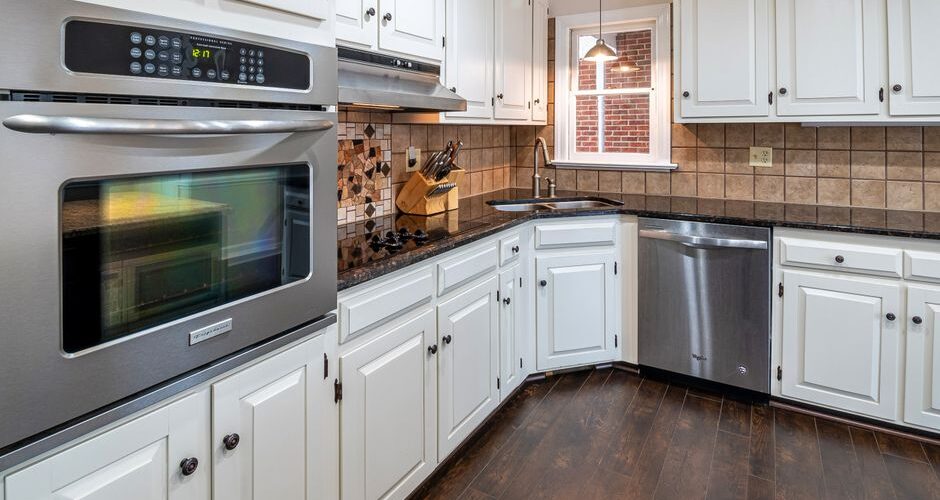
If you are searching for cabinet painters that offer custom glazing in Colorado, you likely want more than a flat color update. You want depth, character, and a finish that looks like it belongs in a high-end furniture showroom. Glazing is not a standard spray-and-go service. It requires an artistic hand, specialized materials, and a painter who understands how Colorado’s dry climate affects drying times and adhesion. This guide walks you through what custom glazing costs in 2026, how the process works, which styles are current, and how to find a specialist

who will deliver a finish that lasts.
Table of Contents
- Why Custom Glazing Is a Top Cabinet Finish in 2026
- What to Expect from Cabinet Painters That Offer Custom Glazing in Colorado
- 4 Questions Homeowners Ask About Cabinet Glazing (Answered)
- How to Choose the Right Cabinet Painter in Colorado for Glazing
- Service Areas: Where to Find These Specialists in Colorado
- DIY vs. Professional Glazing: Why the 60% Failure Rate Matters
- Frequently Asked Questions
- Get a Custom Glazing Quote for Your Colorado Home
Why Custom Glazing Is a Top Cabinet Finish in 2026
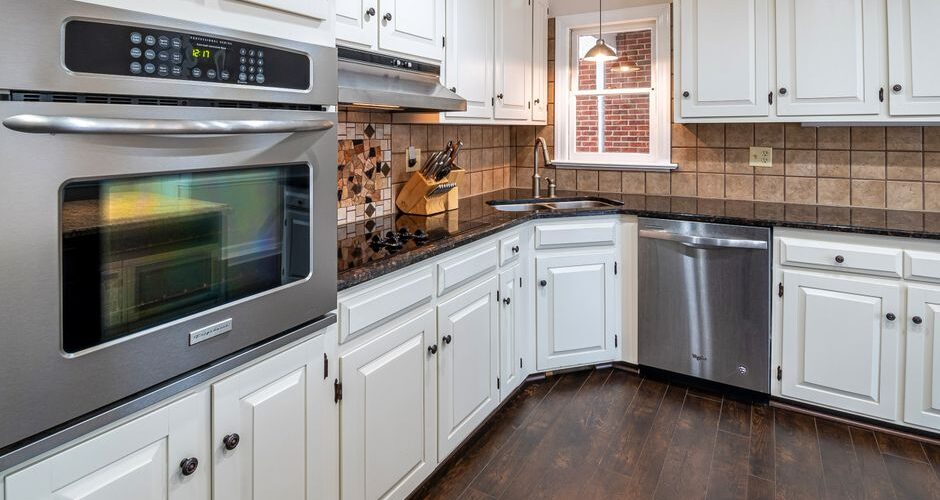
The question “Are glazed cabinets still in style?” comes up often, and the answer in 2026 is a clear yes, but with an important evolution. The heavy, dark brown glaze slathered over golden oak cabinets that defined the early 2000s is gone. Today’s glazing is subtle and architectural. Painters apply a thin wash of color, then hand-wipe it back so it settles only into recessed panel grooves, corners, and grain texture. The result is gentle shadowing and depth, not a costume of age.
This shift pairs perfectly with the satin finish trend. Over 75 percent of professional kitchen transformations in 2026 now use a satin sheen. A satin base coat topped with a custom glaze creates a furniture-grade look that resists fingerprints and diffuses light softly. Homeowners who want their kitchen to feel warm, layered, and intentional are choosing this combination over high-gloss modern slabs.
My Review of Graco FFLP Tips for Spraying Cabinets
A standard paint job gives you color. A glazed finish gives you dimension. That difference matters when you are investing in a kitchen you plan to live with for a decade or more. It also matters for resale. In Colorado’s competitive housing market, a kitchen with professionally glazed cabinets signals quality to buyers who are comparing multiple properties in the same price band.
What to Expect from Cabinet Painters That Offer Custom Glazing in Colorado
The Process: From Prep to Glaze Application
The first thing to understand is that reputable cabinet painters in Colorado do not paint doors in your kitchen. They remove every door and drawer front, label them, and transport them to a controlled spray booth. This matters for two reasons. First, it eliminates dust nibs and airborne debris that settle into wet paint inside a lived-in home. Second, Colorado’s dry air can cause paint to flash-dry on the surface before it levels properly. A climate-controlled shop solves that problem.
The base coat goes on first. The best shops use UV-cured or Italian polyurethane finishes that cure harder than standard latex. These coatings resist chipping, yellowing, and moisture damage in ways that make them worth the incremental cost. Once the base coat cures, the glazing step begins.
Custom glazing is entirely hand-applied. The painter brushes or sponges a tinted glaze over the cured base coat, then wipes it back with rags, leaving color only in the details: the inner edges of a Shaker frame, the routed profile of a raised panel, or the subtle grain texture of wood. This is not a spray-on step. It is manual, slow, and unforgiving. Every panel gets individual attention. After the glaze sets, a clear protective topcoat, typically satin, seals everything for years of use.
Pricing for Glazing Add-Ons in Colorado
A standard cabinet painting project for an average single-family kitchen in Colorado, roughly 30 to 40 door and drawer fronts, runs between $3,500 and $5,500 in 2026. Adding custom glazing typically increases the total by 15 to 25 percent. For most homeowners, that means an additional $500 to $1,200 on top of the base paint quote.
Several variables affect where your project lands in that range. Cabinet style is the biggest factor. A simple flat-panel or slab door has fewer details for the glaze to settle into, so the effect is more restrained and the labor is faster. A raised-panel or heavily detailed traditional door requires more time to wipe back properly. The glaze color also matters. A standard dark glaze over a white or cream base is the most common request and the most predictable to price. Custom-tinted glazes that match a specific accent color in your backsplash or countertop take more time to formulate and cost more.
Bathroom vanities follow the same logic on a smaller scale. A standard vanity with two to four doors and a drawer stack typically adds $200 to $400 for glazing on top of the $800 to $2,000 base refinishing cost.
Any painter worth hiring will include the glaze layer in their warranty. Look for a written guarantee of one to five years covering adhesion and finish integrity. If the prep work is done correctly, a glazed finish should show no signs of peeling, chipping, or uneven wear within that window.
4 Questions Homeowners Ask About Cabinet Glazing (Answered)
How Much Does It Cost to Glaze Kitchen Cabinets?
For a standard Colorado kitchen with 30 to 40 door and drawer fronts, expect to pay $500 to $1,200 above the base painting cost for custom glazing. A small bathroom vanity adds $200 to $400. The range exists because glaze color complexity and cabinet detail level vary widely from project to project. A dark glaze wiped into a simple Shaker door takes less time than a custom-tinted glaze on an ornate raised-panel door with multiple recessed contours.
Should I Glaze My Kitchen Cabinets?
Glazing adds depth, hides minor imperfections in wood grain, and increases the perceived value of your kitchen. It works beautifully in traditional, craftsman, farmhouse, and transitional spaces where cabinets read as furniture. If you want your kitchen to feel collected and warm rather than sterile and boxy, glaze is a strong choice.
The technique is less suited to ultra-modern kitchens with flat slab doors and minimalist hardware. In those spaces, glaze can look out of place because there are no recessed details for it to settle into. The result can appear smudged rather than intentional. Ask yourself a simple question: do I want my cabinets to look like a piece of furniture? If the answer is yes, glaze delivers that effect.
Are Glazed Cabinets Still in Style in 2026?
Yes, but the aesthetic has shifted. Heavy brown or black glaze slathered over oak is out. Tone-on-tone glazing is in. Think of a warm white base with a soft taupe or greige glaze that adds shadow without screaming for attention. The goal in 2026 is architectural interest, not artificial aging. This approach reads as current and sophisticated, and it appeals to buyers in Colorado’s move-in-ready market. Real estate investors and flippers should note that a well-executed glaze can differentiate a listing in a neighborhood where every other flip has plain white cabinets.
Can You Paint Over Glazed Cabinets?
Yes, but preparation is everything. Existing glaze creates a slick, non-porous surface that new paint struggles to grip. Professional painters must degloss the old finish, sand thoroughly to create mechanical adhesion, and apply a high-adhesion bonding primer before the first coat of new paint goes on. The base painting cost is the same as a standard repaint, but the prep stage may require an extra day of labor.
Do not attempt this as a DIY project. An estimated 60 percent of DIY cabinet painting projects show signs of failure within the first year, and painting over glaze is even less forgiving than starting with raw or factory-finished wood. A failed DIY job means paying a professional to strip everything and start over, which doubles your total cost.
How to Choose the Right Cabinet Painter in Colorado for Glazing
Look for Specialists, Not Generalists
Glazing is a specific skill, and not every painting contractor has it. When you interview painters, ask to see a portfolio of glazed projects specifically, not just painted cabinets. Look for consistency in the wipe-back technique across multiple doors. Even glaze distribution, clean edges where the glaze stops, and a uniform depth of color from door to door are signs of an experienced hand.
Ask where the doors will be sprayed. Shop spraying in a controlled booth is superior to on-site spraying because it eliminates dust and allows for climate control. Colorado’s low humidity can cause paint to skin over before it levels, creating a rough texture. A shop environment solves this.
Ask about materials. Painters who use UV-cured or Italian polyurethane finishes are investing in coatings that cure harder and hold up better under a glaze layer than standard water-based latex. These finishes resist yellowing and stand up to the cleaning products used in kitchens.
Licensing, Insurance, and Climate Awareness
Any painter working in your home should carry liability insurance and workers’ compensation coverage. This protects you if a worker is injured on your property or if something goes wrong during the project. Ask for proof. A reputable contractor will provide it without hesitation.
Colorado’s climate presents specific challenges. Dry air, high altitude, and temperature swings affect how paint and glaze cure. An experienced local painter adjusts their additives and drying times to compensate. If a contractor cannot speak to how they handle Colorado-specific conditions, they may not have enough local experience.
Get the warranty in writing. A one- to five-year guarantee on adhesion and finish is standard among reputable firms. If a painter will not put their warranty on paper, keep looking.
Red Flags to Avoid
Three warning signs should give you pause. First, a painter who cannot show you glazed work in their portfolio likely subcontracts the glazing step or lacks experience with it. Second, a quote given over the phone without a site visit is unreliable. Glazing requires a visual assessment of your cabinet style, wood grain, and kitchen lighting. A flat price without seeing the job is a guess. Third, any promise of a two-day turnaround for a glazed finish is unrealistic. A proper glazed project takes five to seven days minimum when you account for door removal, prep, base coat application, curing, hand-glazing, topcoat, and reinstallation.
Service Areas: Where to Find These Specialists in Colorado
The highest concentration of cabinet painters that offer custom glazing in Colorado is in the Denver metro area. Aurora, Lakewood, Arvada, Littleton, Centennial, Westminster, Thornton, and Brighton all have multiple providers with glazing experience and shop-spraying capabilities.
Northern Colorado is well served by specialists who cover Fort Collins, Loveland, Greeley, Windsor, and the broader Front Range. These painters often serve the entire corridor from Boulder to the Wyoming border, bringing shop-sprayed finishes and custom glazing to homeowners who want a premium result without traveling to Denver.
One notable gap exists on the Western Slope. Grand Junction and surrounding communities have very few dedicated cabinet refinishing specialists, and finding a painter with documented glazing experience in that region is difficult. If you live in Western Colorado and want custom glazing, expect to pay travel fees for a Front Range contractor or request a virtual consultation with detailed photos to determine feasibility before committing.
DIY vs. Professional Glazing: Why the 60% Failure Rate Matters
The 60 percent DIY failure rate for cabinet painting is a statistic worth taking seriously. Glazing amplifies every mistake. Uneven wipe-backs leave visible streaks. Glaze applied too thick obscures the base color entirely. Glaze applied too thin disappears under the topcoat. Adhesion failure between the base coat and glaze causes peeling within months.
A failed DIY glaze job costs more to fix than hiring a professional from the start. The painter must strip every layer back to bare wood or substrate, re-prime, re-paint, and re-glaze. You pay for the original DIY materials, then you pay for a full professional redo. The math does not work in your favor.
For a high-end, durable finish that adds resale value and lasts eight to twelve years, hire a professional cabinet painter who specializes in glazing. This is not a weekend project. It is an investment in craftsmanship that you will see and touch every day.
Frequently Asked Questions
Can you glaze laminate or thermofoil cabinets? Yes, but only with specific high-adhesion primers and compatible glazes. Not all painters offer this service, so ask directly if your cabinets are not solid wood.
How long does a glazed finish last? Eight to twelve years with proper care. Finishes sealed with a UV-cured topcoat tend to last longer and resist yellowing better than standard clear coats.
Do you need to remove cabinets to glaze them? No. Doors and drawer fronts are removed for shop spraying, but the cabinet boxes and face frames are glazed on-site. The process is minimally disruptive, and your kitchen remains functional throughout most of the project.
Get a Custom Glazing Quote for Your Colorado Home
If you are ready to add depth and character to your kitchen or bathroom, the next step is a free on-site estimate. A specialist will assess your cabinet style, discuss glaze color options, and provide a detailed written quote that breaks out the glazing cost separately from the base paint work.
Look for a team that understands Colorado’s climate, uses premium materials, and can show you a portfolio of glazed projects completed in homes like yours. Ask about a free color consultation and a glaze sample board. Seeing the finish on a physical sample, in your kitchen’s light, is the best way to feel confident in your decision before the first door comes off its hinges.