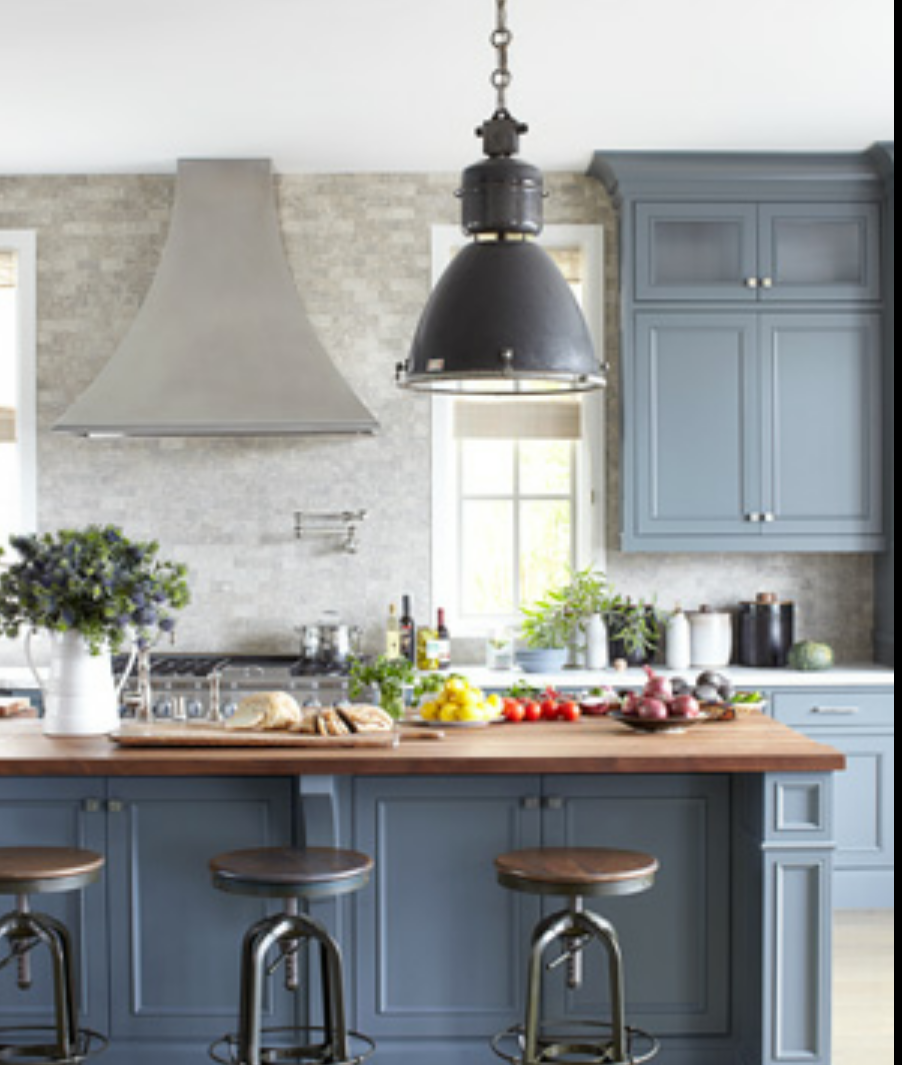
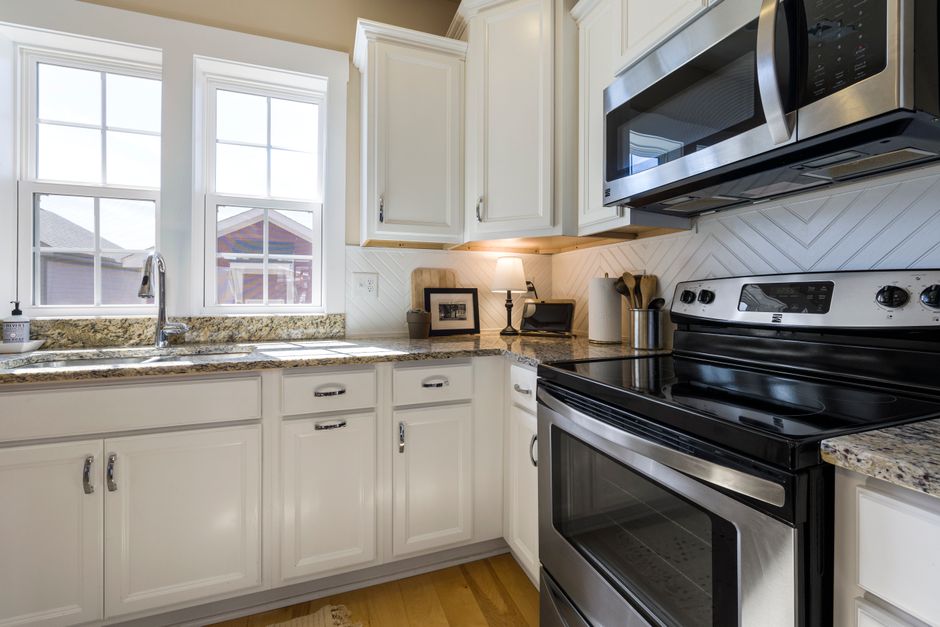
A properly prepped, sprayed white cabinet finish in Boulder County holds up 8 to 15 years before it needs a refresh, and often longer. The number is set by prep work, coating system, kitchen use, and care, not by the color itself. For homeowners in Boulder, Louisville, Lafayette, Longmont, Superior, Erie, Niwot, and Gunbarrel deciding between refinishing and replacing, this is the definitive 2026 answer.
Table of Contents
- Why do sprayed white cabinets last 8 to 15 years in Boulder County?
- Why is white the most demanding cabinet color to keep looking new?
- What does Boulder County's dry air and mountain sun do to a white cabinet finish?
- Which three factors actually decide how long sprayed white lasts?
- Is sprayed white more durable than brushed or rolled white?
- How long until we can use the kitchen, and when is the finish fully cured?
- What are the signs it's time to repaint white cabinets?
- What habits add years to a sprayed white finish in Boulder County?
- What does a sprayed white cabinet refinish cost in Boulder County in 2026?
- How does Cabinet, painting, and refinishing in all of Boulder county deliver a factory finish that lasts?
- Key Takeaways
- References
Why do sprayed white cabinets last 8 to 15 years in Boulder County?
Professionally prepared and sprayed cabinets typically hold up 8 to 15 years before repainting, and many last 20 years or more with normal use, according to Primal Cabinet Painting. That range is not a guess. It comes from the prep hours, the spray equipment, and the coating chemistry behind a factory-style finish.
The contrast with failed jobs is stark. DIY latex and store-bought enamel jobs fail in 2 to 3 years, and hardware-store enamel applied with a brush and roller typically starts chipping within 12 to 24 months, according to Primal Cabinet Painting. The difference is not talent. It is process.

Prep work accounts for over 75 percent of total labor on a professional cabinet painting job, according to Cabinets Refinishing. Degreasing, sanding, bonding, and masking are where the years come from. The spray pass is the visible part, but the hidden prep is what keeps white cabinets from failing early.
For homeowners in Boulder, Louisville, Lafayette, Longmont, Superior, and Erie, a sprayed white finish is a 10-year decision, not a seasonal one. A true factory-quality professional cabinet finish lasts 8 to 15 years, and often longer, according to Cabinets Refinishing. That means the choice you make in 2026 should be judged on durability, not just the quote.
Why is white the most demanding cabinet color to keep looking new?
White is the most demanding cabinet color because it reflects light and shows every chip, grease film, scuff at handles, and splash near the range and sink. A dark finish hides a small ding. White turns it into a visible flaw. That is why the quality of the base layer matters more for white than for any other color.
Any prep shortcut shows through a light finish. If the surface underneath is not degreased and sanded properly, the white topcoat will reveal every imperfection. According to Cabinets Refinishing, skipping the degrease step is the number one reason cabinet refinishes fail in the first 12 months. White makes that failure obvious faster than any other color.
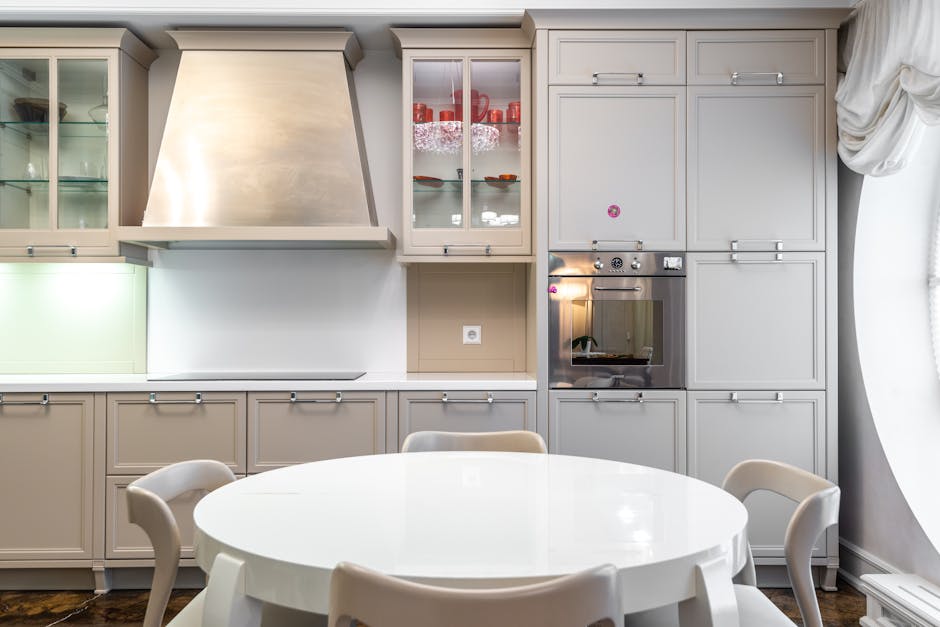
Yellowing is the other white-specific risk. Standard latex paint and oil-based enamels yellow within 2 to 5 years, especially in south-facing kitchens, according to Primal Cabinet Painting. A white kitchen that turns cream in the sunniest run of cabinets is not aging gracefully. It is failing.
What "still looks good" means in practice is uniform sheen, no dark residue rings around hardware, and no chalky look in the sunniest kitchen. A white finish that still looks good after a decade has a consistent surface from door edge to door edge. That consistency is a coating system decision, not a color decision.
What does Boulder County’s dry air and mountain sun do to a white cabinet finish?
Boulder County's dry air and mountain sun punish poor prep and thin films, even though low humidity speeds dry times. The fast dry is a mixed blessing. It lets a professional crew move efficiently, but it also means a poorly prepped surface has less time to bond before the coating locks in place. Altitude and dry air are why the coating system matters more than the color.
UV exposure drives yellowing in latex and oil-based finishes. A 2K poly low VOC system resists yellowing where wall paint does not, according to Homestead Cabinet Design. That matters in Boulder, Louisville, Lafayette, Longmont, Superior, and Erie, where high-altitude sun hits south-facing kitchens hard. A finish chosen for Colorado conditions beats a generic national recommendation every time.
The health angle matters for Boulder County homeowners. Low VOC products and clean containment mean you can stay in your home during the project. A 2K polyurethane finish cures by chemical reaction rather than evaporation, according to Homestead Cabinet Design. That chemical cure creates a harder film without the lingering solvent load of older lacquer systems.
A finish specified for Colorado altitude and dry air is not a marketing phrase. It is a practical choice. Dry air can cause thin films to skin over too fast, trapping solvent underneath. A coating system designed for low humidity and high UV exposure addresses that problem before the first door is sprayed.
Which three factors actually decide how long sprayed white lasts?
Three factors decide how long sprayed white cabinets last: surface prep, spray equipment, and coating system. Surface prep includes degreasing, sanding, and bonding. Skipping the degrease step is the top reason cabinet refinishes fail in the first 12 months, according to Primal Cabinet Painting. Grease left under paint is a time bomb.
Spray equipment is the second factor. HVLP spraying lays a uniform film with no brush marks or lap lines. That uniform film matters most on white, where any thin spot shows as a shadow. A brushed or rolled finish has natural variation in film thickness. A sprayed finish does not.
The coating system is the third factor. A 2K poly low VOC finish cures by chemical reaction, not evaporation, so it hardens instead of staying soft, according to Homestead Cabinet Design. Store-bought 1K enamel cures by evaporation and is rated at 3 to 6 years. The 2K polyurethane system is rated at 10 to 20 years, equivalent to a factory-built cabinet finish.
Off-site door spraying takes roughly one to two weeks depending on kitchen size, according to Cabinet Painting Denver. Spraying doors in a controlled space keeps dust out of the finish and lets each coat cure without kitchen traffic. That controlled environment is part of why a sprayed factory finish outlasts an on-site brush job.
Is sprayed white more durable than brushed or rolled white?
Yes, sprayed white is more durable than brushed or rolled white because it delivers uniform film thickness across flat panels, edges, and door fronts. A brush skips on edges and leaves lap lines. A roller leaves texture. A spray gun lays down a consistent coat every pass, and that consistency is what prevents early chipping.
The durability gap is measurable. Hardware-store cabinet enamel painted with brush and roller typically lasts 12 to 24 months before chipping starts, according to Primal Cabinet Painting. A professionally sprayed 2K polyurethane finish can last 10 to 20 years, according to Homestead Cabinet Design. That is not a small difference. It is a different product category.
Doors sprayed off-site in a controlled space outperform on-site brush work because dust, humidity, and temperature are managed. Off-site door spraying takes roughly one to two weeks, according to Cabinet Painting Denver. The result is a finish with no embedded dust, no insect landings, and no rushed recoat windows.
For a Boulder, Louisville, Lafayette, Longmont, Superior, or Erie kitchen, a sprayed factory finish means the door surface looks like it came from a cabinet plant, not a paint tray. The sprayed finish is the standard for durability. Brushed and rolled white is the shortcut that shows up as chipping within two years.
How long until we can use the kitchen, and when is the finish fully cured?
A sprayed cabinet finish is dry to the touch in hours, ready for light use at 24 to 48 hours, and reaches full hardness at 7 to 14 days, according to Cabinet Painting Denver. The finish is not done when it feels dry. The chemical cure continues for days after the last coat.
Conservative industry guidance recommends waiting at least 7 days before light use of newly painted cabinets, and 21 to 30 days for heavy use, according to Cabinets Painting. Heavy use means slamming doors, dragging pots across shelves, and scrubbing surfaces. Light use means opening and closing doors gently and wiping with a soft cloth.
The first two weeks set up the next 10 years. Treat doors and drawers gently during that window, and avoid steamy cooking marathons that put moisture and heat against a curing film. Full hardness of a sprayed cabinet finish is often cited in the range of 7 to 14 days, according to Cabinet Painting Denver. Rushing that window is the most common homeowner mistake.
A typical professional cabinet painting project takes 5 to 8 days total, including 3 to 5 days of prep and painting in the kitchen, according to Homestead Cabinet Design. Off-site door spraying adds one to two weeks for the doors to return. The kitchen is usable before the doors come back, but the cure clock starts when the last coat goes on.
What are the signs it’s time to repaint white cabinets?
The clearest signs it is time to repaint white cabinets are chipping at corners and door edges, a dull ring or dark residue around hardware and pulls, and a chalky sheen on the sunniest run of cabinets. Chipping at corners means the film has lost adhesion at the highest-stress points. Once moisture gets under the coating, the failure spreads.
A dull ring around hardware is a specific warning sign. It means oils from hands have built up around the pulls and the finish has worn thin in that exact spot. According to Cabinets Refinishing, busy areas of painted cabinets often need repainting every 3 to 4 years when the original finish was not a true factory system. A properly sprayed 2K finish should not show that wear for a decade or more.
Chalky sheen on the sunniest run of cabinets is UV damage. The coating is breaking down at the surface. Grease film that no longer wipes clean is another sign the finish has lost its protective top layer. Yellowing compared with a hidden door interior is the final confirmation, especially in south-facing kitchens where latex and oil-based enamels yellow within 2 to 5 years, according to Primal Cabinet Painting.
What habits add years to a sprayed white finish in Boulder County?
The habits that add years to a sprayed white finish are simple and weekly. Wipe the range and sink area weekly with a soft cloth and mild cleaner. Grease that sits for a month hardens and bonds to the finish. Grease that is wiped weekly never gets the chance.
Clean grease before it hardens rather than after. The range and sink zones are where white cabinets fail first, so those areas deserve the most attention. Skip steam cleaners and harsh solvents. Steam forces moisture into the film, and harsh solvents soften the coating. Both shorten the life of a sprayed finish.
Touch up chips early so moisture stays out of the substrate. A small chip is a repair. A chip left open for a year is a refinish. According to Cabinets Refinishing, most DIY cabinet paint jobs fail within 2 to 3 years because of incomplete prep work. The same logic applies to maintenance: small actions early prevent big failures later.
What does a sprayed white cabinet refinish cost in Boulder County in 2026?
A sprayed white cabinet refinish in Boulder County in 2026 typically runs $4,500 to $10,500, with per-door pricing between $95 and $155. Island add-ons run $500 to $1,200. Smoke odor blocking adds $500 to $900 for Louisville and Superior homes where previous owners smoked or cooked heavily. These are working numbers for Boulder, Louisville, Lafayette, Longmont, Superior, and Erie.
The per-door number tracks durability because prep hours are the cost. A $95 door that gets degreased, sanded, bonded, primed, and sprayed will outlast a $40 door that gets a quick scuff and a coat of latex. Prep work accounts for over 75 percent of total labor on a professional cabinet painting job, according to Cabinets Refinishing. You are paying for years, not paint.
| Cost Per Door Boulder County | Price Range |
|---|---|
| Standard door or drawer front | $95 to $155 |
| Island add-on | $500 to $1,200 |
| Smoke odor blocking | $500 to $900 |
| Factory 2K Low VOC vs Latex Durability | Expected Lifespan |
|---|---|
| Hardware-store latex enamel | 12 to 24 months |
| Oil-based alkyd enamel | 3 to 5 years |
| Acrylic urethane (1K) | 5 to 8 years |
| 2K polyurethane low VOC | 10 to 15+ years |
| Cure Timeline | Timeframe |
|---|---|
| Dry to touch | Hours |
| Light use | 24 to 48 hours |
| Full hardness | 7 to 14 days |
| Heavy use | 21 to 30 days |
The lifespan figures in the durability table come from Primal Cabinet Painting and Homestead Cabinet Design. The cure timeline reflects guidance from Cabinets Painting and Cabinet Painting Denver. A typical professional project takes 5 to 8 days total, according to Homestead Cabinet Design.
How does Cabinet, painting, and refinishing in all of Boulder county deliver a factory finish that lasts?
Cabinet, painting, and refinishing in all of Boulder county delivers a factory finish that lasts by refinishing and spray painting kitchen cabinets to a durable factory finish for homeowners in Boulder, Longmont, and all of Boulder County. The company is family-owned with W-2 crews and no subcontractors. That means the people who prep and spray your cabinets are the same people accountable for the result.
The finish system is a true factory finish using 2K poly low VOC, not latex. A 2K polyurethane finish cures by chemical reaction and is rated at 10 to 20 years, equivalent to a factory-built cabinet finish, according to Homestead Cabinet Design. The low VOC formulation matters for Boulder County homeowners who want a durable finish without living in solvent fumes during the project.
On-site prep, spray, and finish use low odor products and clean containment. Most Boulder County kitchens take 4 to 5 days, with doors sprayed off-site in a controlled space. Finishes are chosen for Colorado altitude and dry air, which is why the company specifies the coating system rather than relying on a generic national recommendation.
The service area is Boulder, Louisville, Lafayette, Longmont, Superior, Erie, Niwot, and Gunbarrel only. Homeowners in those areas get a 5-year warranty, a color consult, and factory samples before the project starts. The warranty backs the 8-to-15-year expectation with a written commitment. For homeowners researching how long sprayed white cabinet paint lasts in Boulder County, the answer depends on the system, and this is the system built for Colorado conditions.
Key Takeaways
- A properly prepped, sprayed white cabinet finish in Boulder County lasts 8 to 15 years before it needs a refresh.
- DIY latex and hardware-store enamel jobs typically fail in 12 to 24 months because prep and coating chemistry are skipped.
- Prep work is over 75 percent of the labor on a professional cabinet refinishing job.
- Latex and oil-based enamels yellow within 2 to 5 years, especially in south-facing kitchens.
- A 2K poly low VOC system resists yellowing and cures by chemical reaction instead of evaporation.
- Full hardness of a sprayed cabinet finish arrives at 7 to 14 days, so the first two weeks matter most.
- Boulder County pricing in 2026 runs $4,500 to $10,500, or $95 to $155 per door, with islands adding $500 to $1,200.
References
- How Long Does Professional Cabinet Painting Last? The Definitive Guide
- How Long Does Cabinet Paint Last? Lifespan Facts for Sprayed Finishes
- How Long Does Cabinet Painting Last?
- How Long Does Sprayed White Cabinet Paint Last in Denver? — 2026-10-25
- How Long Do Painted Kitchen Cabinets Last? (2026 Answer) — 2026-05-06