There’s nothing worse than investing time and money to paint your kitchen cabinets, only to watch them chip, scratch, and peel just a few months later. The difference between a beautiful, long-lasting finish and a quick failure often comes down to one critical choice: selecting the most durable cabinet paint for the job. Many homeowners, and even general house painters, make the mistake of using standard wall paint, which simply isn’t engineered to withstand the daily abuse of a busy kitchen.
Cabinet Painting in Boulder County & Northern Colorado
Brighton, CO, and Broomfield, CO.
Including Superior, CO, Louisville, CO, Niwot CO,
Lafayette, CO, Erie, CO, Firestone, CO,
Frederick, CO, Longmont, CO, Loveland, CO,
We also service projects throughout the entire state of Colorado.
In this professional’s guide, we cut through the confusion. We are going to show you the exact types of paint the pros use-from advanced alkyds to tough-as-nails urethane enamels-to achieve a rock-solid, factory-like finish. You will learn what makes a paint truly durable, which sheens offer the best protection, and the critical preparation steps that guarantee your hard work will look great and last for years to come. Get ready to choose your next cabinet paint with total confidence.
Key Takeaways
-
Learn why meticulous surface preparation is the non-negotiable first step for a finish that won’t chip or peel.
-
Understand the difference between standard wall paint and the specialized cabinet enamels professionals use for a hard, factory-like surface.
-
Achieving a truly durable cabinet paint finish is about more than the can; it’s a complete system of the right prep, primer, and application.
-
Find out how your choice of paint sheen directly impacts durability and why a higher gloss can provide a stronger, more protective layer.
Table of Contents
Why Your Regular Wall Paint Will Fail on Cabinets
Many homeowners think paint is just paint. This is a costly mistake, especially in a high-use area like a Colorado kitchen. Your cabinets are not walls; they are functional furniture that endures daily abuse from grease, moisture, food splatters, and the constant impact of opening and closing. Using standard interior wall paint is a guaranteed way to get a finish that fails within months, not years.
To see the difference in materials firsthand, watch this straightforward explanation:

The High-Touch Environment of a Kitchen
Kitchens are a battleground of activity. Think about the surfaces you touch every single day without even realizing it. The areas that take the most punishment are:
-
The edges of doors and drawer fronts
-
The areas around knobs and handles
-
The base of cabinets near the floor that get kicked
-
The sink cabinet, which is exposed to constant moisture
Add in the constant heat from the oven and steam from the dishwasher, and you have an environment that breaks down soft paints. Standard latex paint is designed for looks on a static wall, but it never fully cures to the hard finish needed to resist this level of wear and tear.
Chipping, Stains, and ‘Blocking’: The Telltale Signs of Bad Paint
Using the wrong paint leads to predictable failures. The most common homeowner complaint is ‘blocking’-that sticky, tacky feeling when a cabinet door pulls away from the frame, sometimes taking paint with it. A true, durable cabinet paint is an industrial-strength enamel formulated to cure to a hard, non-porous shell that prevents this. The specific binders used in these coatings are key to their performance. Understanding The Chemistry of Durability shows why wall paint binders are simply not engineered for this kind of stress. This porous nature is also why wall paint absorbs grease and food splatters, leading to permanent stains, while a proper cabinet finish allows you to simply wipe them clean.
The Chemistry of Durability: What Professionals Look For
Not all paint is created equal. When a professional from Cabinet Refinishing Boulder selects a coating, we aren’t just picking a color; we’re choosing a specific chemical technology. Finding the most durable cabinet paint means looking for a true ‘enamel’. This isn’t a material, but a property-it means the paint cures into a hard, non-porous shell, much like a factory finish. This hard shell is crucial for longevity, and as experts in Paint Sheen and Durability will tell you, the right finish resists stains and scuffs far better than standard wall paint. We also demand products with excellent self-leveling properties, which allow the paint to flow out smoothly, eliminating brush and roller marks for a flawless look. Of course, none of this matters without the right bonding primer to ensure the topcoat grips the surface and never peels.
Alkyd and Oil-Based Enamels: The Traditional Choice
For decades, oil-based paints were the go-to for a tough finish. They offer incredible hardness and a beautiful, smooth surface. However, their downsides are significant: very strong odors from high VOCs, cure times that can take weeks, and a tendency to yellow over time-a major problem for white kitchens in sunny Colorado. Due to modern regulations and superior new technologies, these are rarely used by top-tier professionals today.
Waterborne Alkyd Hybrids: The Modern Gold Standard
This is where modern chemistry shines. Waterborne alkyds combine oil and water-based molecules to give you the best of both worlds. You get the superior hardness and smooth finish of an oil paint, but with the low VOCs and easy soap-and-water cleanup of a latex. Products like Benjamin Moore Advance are a perfect example of a truly durable cabinet paint that we trust for exceptional, long-lasting results in Boulder homes.
Urethane Acrylic Enamels: The Tough Contender
For the absolute highest level of durability, we often turn to urethane-fortified enamels. The addition of urethane creates a coating with superior resistance to scratches, chemicals, and daily wear and tear. This is the ideal choice for high-traffic kitchens. A major benefit of products like Sherwin-Williams Emerald Urethane is that they are non-yellowing, ensuring your white or light-colored cabinets stay crisp and true for years to come.
Beyond the Can: Why Preparation is 80% of Durability
You can buy the most expensive, advanced paint on the market, but it will fail. It will chip, peel, and look terrible in months if it’s applied to a poorly prepared surface. This is not an opinion; it’s a fact. The meticulous preparation work done before a can of paint is ever opened is the single biggest difference between a professional cabinet refinishing job and one done by an amateur house painter.
At Cabinet Refinishing Boulder, we know that a lasting finish is built on a solid foundation. These are the non-negotiable steps that guarantee the performance of a truly durable cabinet paint system.
The Critical Role of Cleaning and Degreasing
Years of cooking fumes, airborne grease, and hand oils create a thin, invisible film on your cabinets. Paint cannot and will not stick to this grime. We use professional-grade degreasers, like TSP substitutes, to aggressively cut through this buildup and create a surgically clean surface. This step is not optional-it is the primary defense against future peeling and chipping, especially around high-touch areas like knobs and handles.
Sanding for ‘Tooth’: Creating a Mechanical Bond
Many people think sanding is just to remove the old finish. That is incorrect. The main purpose of scuff-sanding is to create a microscopic profile of peaks and valleys on the surface. This is called creating "tooth." This rough texture gives the primer something to physically grab onto, forming a powerful mechanical bond. Without it, the primer is just sitting on top of a slick surface, waiting to be scraped off. The process is tailored to the material:
-
Wood Cabinets: We sand to open the grain for maximum primer absorption.
-
Laminate/Melamine: We scuff the slick surface to create the necessary tooth for a bonding primer.
-
Previously Painted: We sand to smooth imperfections and ensure the new coat bonds to the old one.
Choosing the Right Primer: The Foundation for a Lasting Finish
Primer is the most important coat we apply. It is the problem-solver and the critical link between the cabinet surface and the final topcoat. Using the wrong primer is a recipe for failure. A professional knows exactly what primer to use for each situation, whether it’s a high-adhesion bonding primer for slick surfaces or a shellac-based primer to permanently block stains and wood tannins from bleeding through your new white finish. The right primer ensures your new color is rich, uniform, and locked onto the cabinet for good.

Paint Sheen and Durability: Does Glossier Mean Stronger?
The short answer is yes. In the world of paint, a higher sheen almost always equals higher durability. The science is straightforward: paint consists of pigments, solvents, and binders (resins). Glossier paints contain a higher ratio of binders. When the paint cures, these binders create a harder, less porous surface that is more resistant to moisture, stains, and the general wear-and-tear of a busy Colorado kitchen.
Choosing the right sheen is a critical decision that balances aesthetics with the practical need for a durable cabinet paint. Here is our professional breakdown.
Matte and Eggshell Finishes
While popular for walls, we do not recommend matte or eggshell finishes for kitchen cabinets. Their soft, velvety look is appealing and hides surface imperfections well, but the finish is too porous. It traps grease and dirt, and aggressive scrubbing will cause "burnishing"-permanent shiny spots that ruin the look. These sheens simply cannot withstand the daily cleaning a kitchen requires.
Satin Finish: The Most Popular Choice
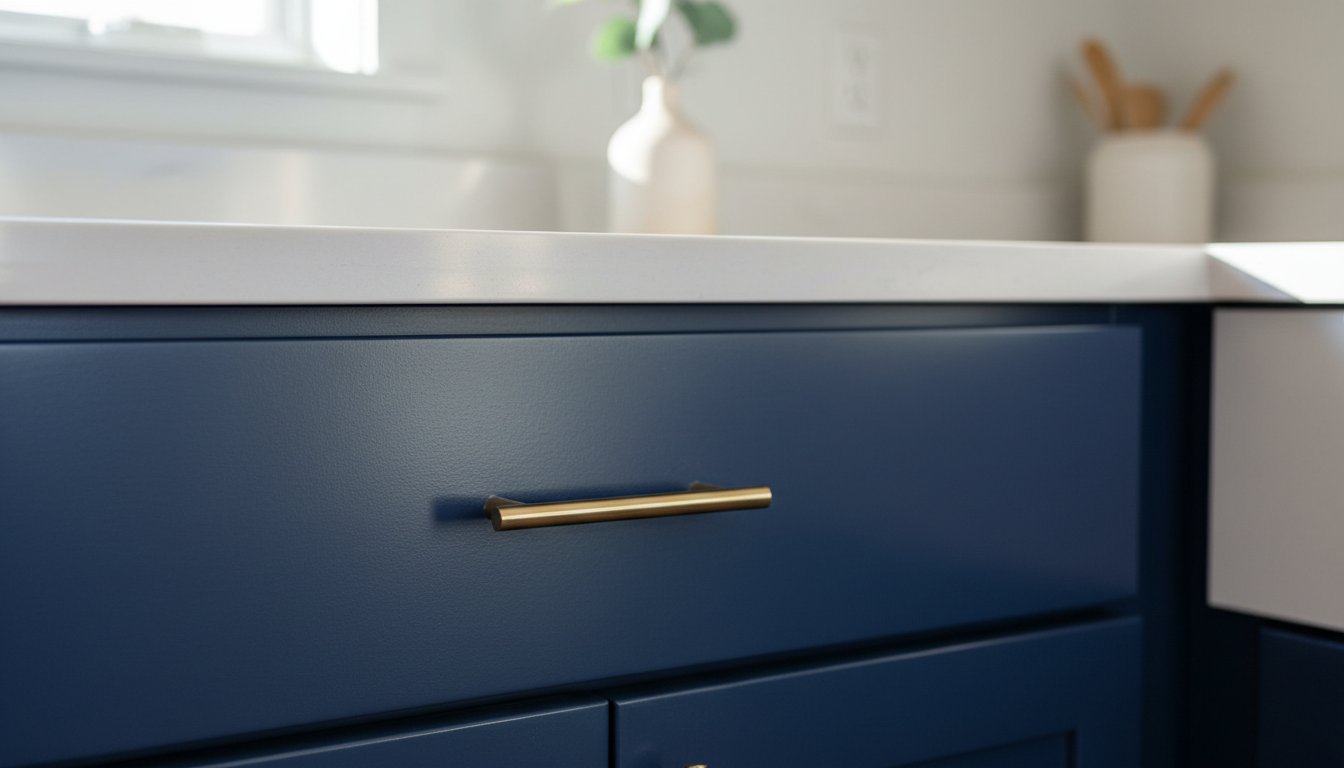
Satin is the go-to finish for professional cabinet refinishers, and for good reason. It strikes the perfect balance between a low-key, sophisticated appearance and excellent cleanability. It has enough sheen to resist moisture and allow for easy wiping, but not so much that it creates a harsh glare. When applied correctly by a professional sprayer, it delivers a flawless, factory-quality surface that is both beautiful and tough.
Semi-Gloss and High-Gloss Finishes
These are the toughest options available and offer maximum durability. Their hard, non-porous film makes them incredibly easy to wipe clean, and they reflect light, which can help brighten a kitchen. However, this high reflectivity is also a major drawback. It will highlight every single dent, ding, and flaw on your cabinets. These sheens are best suited for ultra-modern, perfectly flat cabinets or for homeowners who prioritize cleanability above all else.
For the vast majority of cabinet refinishing projects, our recommendation is clear: a quality satin finish provides the ideal combination of long-term durability and timeless style. It’s the smart choice for a lasting investment in your kitchen. To discuss the best options for your project, contact the experts at Cabinet Refinishing Boulder today.
Achieving a Durable Finish: The Professional Difference
A lasting cabinet finish is never just about buying a can of durable cabinet paint; it’s the result of a complete, professional system. Meticulous preparation, the right bonding primer, a quality topcoat, and a precise application process all work together. This system is what separates a temporary DIY fix from a long-lasting, factory-quality result. Homeowners often find their hard work chipping within a year because a single step was compromised. A professional ensures every stage is executed correctly for a finish that withstands daily use in Colorado’s climate.
Spraying vs. Brushing and Rolling
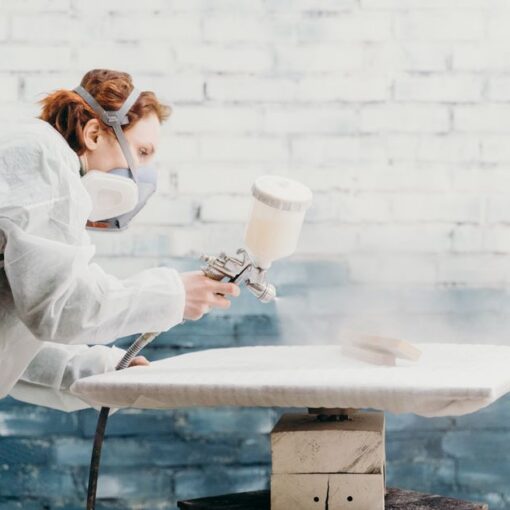
The application method is critical for a smooth, professional look. While brushing and rolling are fine for walls, they inevitably leave behind texture-obvious brush strokes or a stippled "orange peel" effect-that looks amateur on cabinets. We use High Volume, Low Pressure (HVLP) sprayers to apply paint in multiple thin, even coats. This professional equipment atomizes the paint, creating a flawless, glass-smooth surface that looks and feels like it came directly from a high-end factory. This is a skill that requires training to avoid runs, drips, and an uneven finish.
The Crucial Curing Process
Even after the final coat is applied, the job isn’t truly finished. Paint may be dry to the touch in hours, but it is not fully cured. Curing is the chemical process where the paint’s molecules cross-link to reach maximum hardness and durability. This essential process takes time-typically 2 to 4 weeks. During this period, your beautiful new finish is still vulnerable. A truly durable cabinet paint needs this uninterrupted time to harden completely and resist scuffs and scratches.
To protect your investment while your cabinets cure:
-
Use only handles and knobs, avoiding direct contact with the painted surfaces.
-
Wipe up any spills immediately with a soft, damp cloth. Do not scrub the surface.
-
Avoid using harsh chemical cleaners, degreasers, or abrasive sponges.
-
Be gentle when opening and closing doors and drawers to prevent impact damage.
Following every step of the process with precision is the only way to guarantee a beautiful finish that lasts for years in Colorado’s demanding climate. Don’t leave the final result to chance or trust it to a general house painter. For a guaranteed durable finish, trust the professionals at Cabinet Refinishing Boulder.
Achieve a Cabinet Finish That Truly Lasts
As we’ve covered, the secret to a beautiful kitchen isn’t just finding the most durable cabinet paint. True durability comes from a professional process. The right product chemistry is vital, but it’s the meticulous preparation-the sanding, cleaning, and priming-that creates a finish built to withstand daily use. This is the difference between a paint job that chips and one that endures for years.
Don’t leave the most important room in your home to chance. At Cabinet Refinishing Boulder, our process is our promise. With over 38 years of experience in the Boulder area, we specialize in creating factory-like finishes that last because our work starts with obsessive preparation. We do it right, so it’s done once. Get a quick, no-hassle quote for a guaranteed durable cabinet finish.
Your kitchen deserves a finish that is as strong as it is beautiful. Let us provide you with a result you’ll be proud of for years to come.
Frequently Asked Questions About Durable Cabinet Finishes
What is the longest-lasting paint for kitchen cabinets?
The most durable finishes are not available at retail paint stores. True professional cabinet refinishers use industrial-grade, two-component (2K) polyurethane coatings. These products cure to a much harder, more chemically-resistant surface than any off-the-shelf latex or alkyd paint. This is the difference between a genuine factory finish and a job done by a house painter. For maximum durability that withstands Colorado’s dry climate and daily use, a professional 2K polyurethane is the correct choice.
Is Benjamin Moore Advance or Sherwin-Williams Emerald Urethane better for durability?
Both are quality water-based alkyd paints for DIY projects or non-specialist painters, but neither compares to professional-grade coatings. The durability difference between these two retail products is minimal. The most vital factor for a lasting finish is always the preparation process-degreasing, sanding, and priming. A house painter using the "best" retail paint on a poorly prepped surface will deliver a failing finish every time, regardless of the brand on the can.
Do I really need to sand my cabinets before painting for a durable finish?
Yes. Sanding is not optional; it is a critical step for a durable finish. Skipping this guarantees your paint will chip and peel. Sanding creates a "mechanical tooth" for the primer to grip onto, ensuring a strong bond between the coating and the wood surface. To get a truly durable cabinet paint job that lasts, proper surface preparation is the most vital factor. Any company that tells you they can skip sanding is cutting corners, and you will pay to fix it.
Will durable cabinet paint yellow over time?
Old-fashioned, oil-based paints were notorious for yellowing over time, especially in homes with less natural light. Modern professional coatings, like the industrial-strength polyurethanes we use, are specifically formulated to be non-yellowing. These advanced products are UV-stable and maintain their color integrity for years, even with pure white finishes. When you hire a specialist, you get a modern, color-stable finish that will not yellow like the paint jobs of the past.
How do you clean painted cabinets without damaging the durable finish?
Proper cleaning is simple. Use a soft microfiber cloth with a mild solution of dish soap and warm water. Wipe the surface gently and then dry it immediately with a separate clean, dry cloth. Never use abrasive cleaners, scouring pads, ammonia, bleach, or harsh chemical solvents. These products will dull the sheen and can permanently damage the protective topcoat of your finish. A quality, professionally applied finish is tough but requires correct maintenance to last.
How much does professional-grade durable cabinet paint cost per gallon?
The professional-grade, two-component polyurethane coatings we use are not available for public purchase at retail stores. These materials typically cost between $150 to $250 per gallon, reflecting their superior chemical composition and extreme durability. When you receive a quote from a professional like Cabinet Refinishing Boulder, the price of this high-performance paint is factored into the total project cost, which includes extensive preparation and skilled application for a factory-grade finish.
Is it possible to get a durable finish on laminate or thermofoil cabinets?
Yes, a durable finish on laminate or thermofoil is possible, but it demands specialized knowledge and materials. These non-porous surfaces require aggressive cleaning and scuff-sanding, followed by an application of a high-adhesion bonding primer designed specifically for plastics and vinyl. Attempting to paint thermofoil without these exact steps will result in catastrophic peeling. This is not a job for a general house painter; it requires a cabinet refinishing specialist.