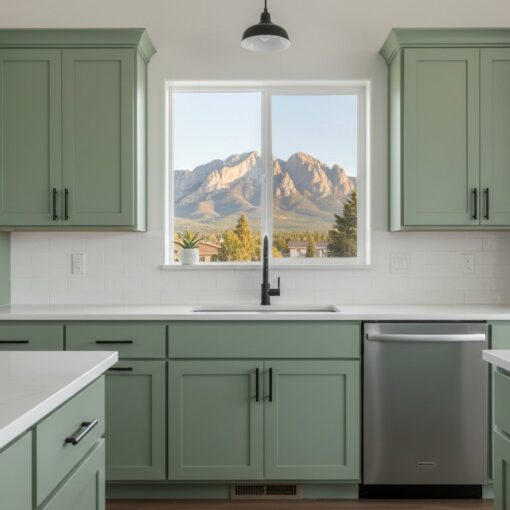
Are you considering a kitchen update but feel unsure about glazed kitchen cabinets? Many homeowners worry the look is outdated or fear that a botched job by an amateur painter will ruin their investment. You see the beautiful, dimensional finish in photos but don’t understand what ‘glazing’ actually is or if it will work with your cabinet style. This uncertainty can stop a great kitchen project in its tracks.
Cabinet Painting Service Areas in Lafayette, Boulder & Surrounding Cities, Cabinet Refinishing in Boulder County, CO
Brighton, CO, and Broomfield, CO.
Including Superior, CO, Louisville, CO, Niwot CO,
Lafayette, CO, Erie, CO, Firestone, CO,
Frederick, CO, Longmont, CO, Loveland, CO,
We also service projects throughout the entire state of Colorado.
Forget the confusion. A professional glaze is a timeless technique that adds depth and a custom, high-end look that a simple paint job can never achieve. In this pro’s guide, we get straight to the point. We’ll explain what cabinet glazing is, show you popular styles that work for modern and traditional kitchens, and give you the clear information you need to decide if this elegant finish is the right choice for your home. Learn what it takes to get it done right-the first time.
Key Takeaways
-
Understand how a glaze finish adds dimension and character, accentuating the details of your cabinet doors and drawers.
-
Discover the different glazing styles available, from subtle modern sheens to classic antique looks, to find the right fit for your kitchen.
-
Learn why professional technique is the most critical factor for a quality finish and how to avoid common DIY mistakes that can ruin cabinets.
-
Weigh the specific pros and cons to determine if professionally glazed kitchen cabinets are the right long-term investment for your home update.
Table of Contents
What Exactly Are Glazed Kitchen Cabinets?
Cabinet glazing is a professional finishing technique used to add depth, dimension, and custom character to your cabinetry. It is not a type of paint. Instead, it is a specialized, decorative finish applied over an existing base coat of paint or stain. The primary purpose of a glaze is to accentuate the details of your cabinet doors and drawer fronts. Think of it like an artist adding shadows to a drawing-the glaze settles into the profiles, corners, and recesses, making the architectural features of the wood "pop" with a rich, antique look.
To better understand how a new finish can transform your kitchen, watch this helpful video:

Defining the Glaze Finish: More Than Just Paint
A glaze is a semi-translucent coating. Unlike opaque paint, it is not designed to completely cover the base color. A professional craftsman applies the glaze over the entire surface and then strategically wipes most of it off. This meticulous process leaves the glaze color behind in the grooves and detailed edges of the cabinet door. Glazes are formulated to dry slowly, which is a vital factor that allows the finisher time to work the material and achieve the precise effect desired. They can be either water-based or oil-based, and we select the proper type based on the project’s base coat.
Glazing vs. Painting vs. Staining: Key Differences
Understanding the difference between these common applications is crucial for any homeowner. Many amateur house painters confuse these methods, which often leads to disastrous results. These are all distinct wood finishing techniques, and using the right one for the job is a mark of a true professional. Here are the key differences:
-
Painting: This is an opaque coating that creates a solid, uniform color finish. It completely covers the wood grain.
-
Staining: This is a pigment designed to soak directly into bare wood fibers. It changes the color of the wood itself while keeping the natural grain visible.
-
Glazing: This is a transparent or semi-transparent layer applied over a sealed surface (like paint or a topcoat). Its sole purpose is to add detail and age. This technique is what creates truly custom glazed kitchen cabinets.
Exploring Popular Cabinet Glazing Styles and Techniques
Cabinet glazing is not a one-size-fits-all finish. It’s a versatile, hand-applied technique that can achieve vastly different results, from a historic, time-worn look to a subtle, sophisticated accent. The final appearance of your glazed kitchen cabinets is a direct result of the application method and the crucial combination of the base paint color and the glaze color. A professional finisher uses these variables to create a truly custom look for your kitchen.
Understanding the different styles is the first step in deciding if this custom finish is right for your home.
The Classic Antiqued and Distressed Look
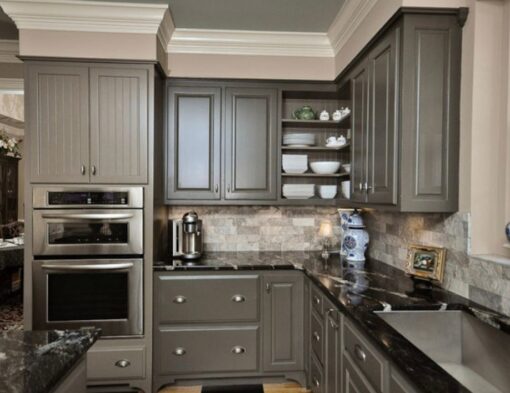
This is the most traditional glazing style, designed to mimic the natural aging process of fine furniture. A dark glaze, typically brown or black, is applied over a lighter base coat like white, cream, or light gray. The glaze settles into the crevices, corners, and details of the cabinet doors, creating depth and a warm, aged patina. This technique is most effective on cabinets with detailed profiles, such as raised panels or beadboard, where the glaze has recesses to collect in. For a more rustic or farmhouse feel, it can be combined with light distressing techniques.
Subtle Pinstripe Glazing for a Refined Touch
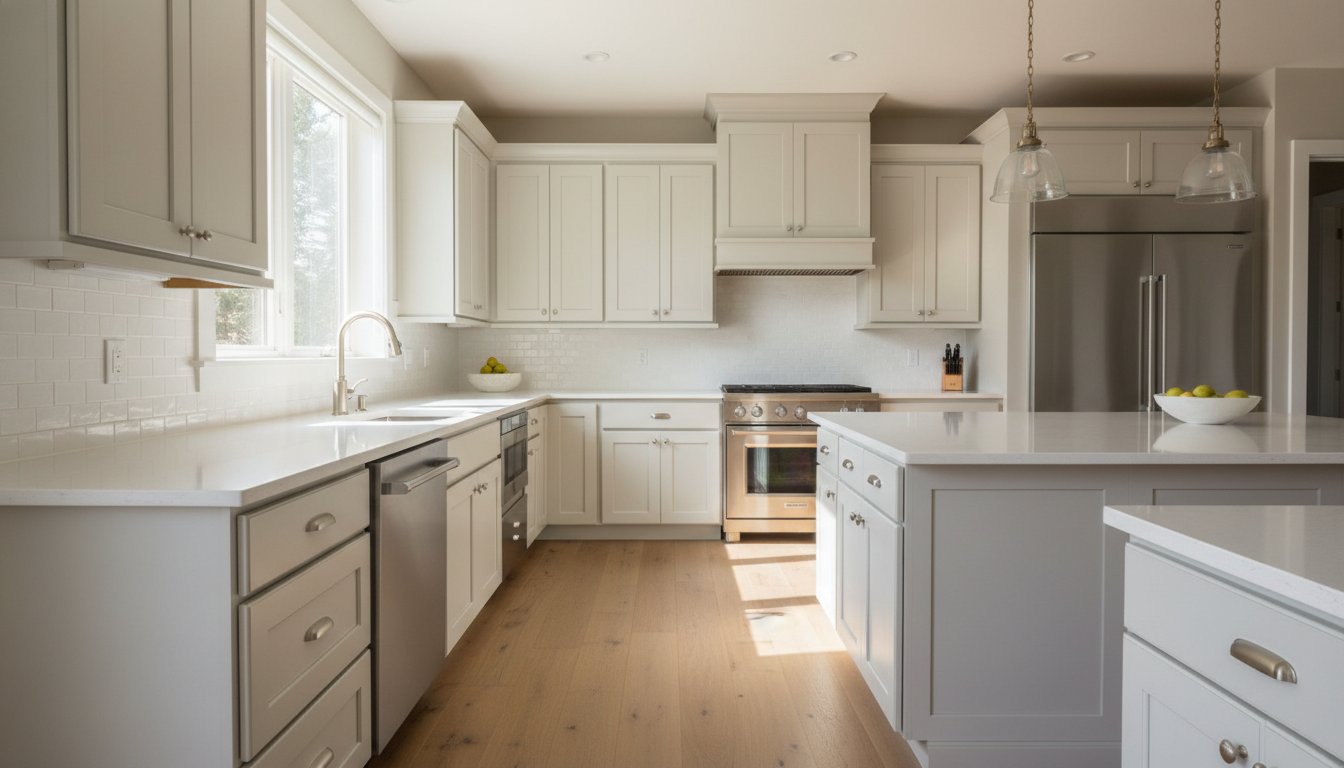
For a more contemporary and clean aesthetic, pinstripe glazing offers definition without the "aged" feel. In this meticulous technique, the glaze is applied only as a fine line within the sharp inside edges and routed details of the cabinet panels. The result is a crisp, tailored look that accentuates the architecture of the cabinetry. It adds a touch of custom detail and sophistication, working especially well on the clean, simple lines of Shaker-style doors to make them pop.
Choosing Your Glaze Color: Dark vs. Light
The glaze color itself is the final ingredient that sets the mood. While there are countless custom tints, the choice generally falls into two categories. Understanding the full range of options is key, and resources like HGTV’s guide on the Glazed Kitchen Cabinets: Pros, Cons & Process can provide additional perspective on popular combinations. The primary directions are:
-
Dark Glazes (Browns, Blacks, Charcoals): These create strong contrast and are used to achieve the classic antiqued look. They add visual depth and make the details of your cabinet doors stand out.
-
Light Glazes (Whites, Light Grays): When applied over a mid-tone or dark base color, a light glaze softens the overall look. It creates a subtle, weathered effect, almost like a "limewash" or sun-bleached finish.
An experienced cabinet refinishing specialist can provide samples and help you select the perfect color combination to achieve a durable, factory-quality finish.

The Professional Glazing Process: Why Expertise Matters
Many DIY glazing projects end in disaster. Homeowners are left with streaky, blotchy cabinets that look dirty instead of distinguished. The reason is simple: the quality of a glazed finish is 100% in the technique. This is not a job for a general house painter. Creating beautiful, durable glazed kitchen cabinets requires a specialist’s touch and a process that leaves no room for error.
At Cabinet Refinishing Boulder, we follow a strict, multi-step system to achieve a flawless, factory-quality result that lasts. It all comes down to experience and an obsession with the details.
Step 1: Meticulous Prep and Flawless Base Coat
The entire project stands on the foundation of preparation. If the base isn’t perfect, the final glaze will be a failure. Our process is exhaustive because it has to be. We begin by thoroughly degreasing, cleaning, and sanding every surface to ensure maximum adhesion. A high-quality primer is applied, followed by a premium base paint that is sprayed for a perfectly smooth, uniform surface. This base coat must be fully cured before we even think about glazing, because any drip, brush stroke, or speck of dust will be highlighted and magnified by the glaze.
Step 2: The Art of Applying and Wiping Back the Glaze
This is where true craftsmanship comes into play. Glazing is a subtractive process. We apply a thin layer of specialized glaze over the entire painted surface, working it into every crevice and detail of the cabinet door profile. The real skill is in the "wipe-back." Using clean, lint-free cloths, our technicians carefully and methodically wipe away the excess glaze. The amount of pressure and the direction of the wipe control how much glaze is left behind. This must be done with absolute consistency from door to door to ensure a cohesive, professional look across your kitchen.
Step 3: Sealing for a Durable, Long-Lasting Finish
An unsealed glaze is delicate and will quickly wear away with regular cleaning and use. A protective topcoat is not optional; it is essential for protecting your investment. We seal our glazed kitchen cabinets with multiple layers of a durable, non-yellowing clear coat. This final step locks in the beautiful glaze detail and protects the finish from moisture, scratches, and daily wear. We use professional-grade, low VOC lacquers that cure to a hard, washable surface. Don’t risk a DIY disaster. Trust the pros at Cabinet Refinishing Boulder.
Is a Glazed Finish Right for Your Kitchen Cabinets?
Deciding on a cabinet finish is a critical step in any kitchen project. A glazed finish is a specialized, hand-applied technique that isn’t right for every home. The success of glazed kitchen cabinets depends entirely on two factors: the physical shape of your cabinet doors and your overall design aesthetic. Before you commit, it’s vital to understand where this finish excels and where it falls short.
The Top 3 Benefits of Choosing a Glazed Finish
When applied by a professional, a glaze offers distinct advantages over a standard, solid paint job. It’s a premium finish that provides a look you can’t get from a factory.
-
Unmatched Customization: Glazing is an art, not a simple paint coat. Each application is done by hand, creating a unique, custom look with subtle variations. It adds character that a uniform, sprayed finish simply cannot replicate.
-
Highlights Architecture: The primary function of a glaze is to settle into the grooves, corners, and profiles of your cabinet doors. This process adds depth and dimension, accentuating the detailed craftsmanship of your cabinetry.
-
Hides Minor Imperfections: A solid, stark color can highlight every tiny dent or surface flaw. The soft, layered look of a glaze is more forgiving and can help mask minor wear and tear, making it a practical choice for busy households.
These artistic benefits are about creating a cohesive, personalized space. Just as custom cabinets set the tone, thoughtfully chosen decor, like the fine art prints available from the First4Frames Gallery, can complete the room’s unique character.
Best Cabinet Styles for Glazing
The cabinet door style is the most important factor. Glazing needs recesses and details to settle into. Without them, the finish has nowhere to go.
-
Raised Panel Doors: This is the classic choice for glazing. The deep channels and detailed profiles provide the perfect canvas for the glaze to create a rich, antiqued, or traditional look.
-
Shaker Style Doors: For a more subtle effect, a "pinstripe" glaze on Shaker cabinets is an excellent option. The glaze collects only in the clean, straight lines of the recessed center panel, adding definition without being overwhelming.
-
Beadboard Panels: The tight vertical grooves in beadboard are ideal for capturing glaze, resulting in a charming, textured finish popular in farmhouse and cottage-style kitchens.
When to Avoid Glazing
A glazed finish is not a universal solution. In some cases, it’s the wrong choice and will conflict with your kitchen’s design.
-
Flat or Slab Doors: These doors have no profiles, grooves, or details. Applying a glaze will look inconsistent and messy, as there is nowhere for it to properly settle.
-
Minimalist and Modern Kitchens: The hand-finished, often rustic character of glazing directly contradicts the sleek, clean, and uniform aesthetic of modern and minimalist design. A solid color is a much better fit.
-
If You Prefer a Perfect, Solid Color: The beauty of a glaze is in its subtle variations. If you want a perfectly even, single-color finish, you should opt for a standard factory-style paint job instead.
Making the right choice is critical for the final outcome of your kitchen. If you need a professional opinion on whether glazed kitchen cabinets are the right fit for your home, contact us for a no-nonsense evaluation.
Your Kitchen Deserves a Professional Glazed Finish
As we’ve covered, a glazed finish is a powerful way to add depth and custom character to your kitchen. But it’s a technique where expertise is not just important-it’s essential. The wrong process can lead to a streaky, amateur look that devalues your home. The key takeaway is that proper preparation and professional application are what separate a stunning result from a costly mistake.
When you decide to invest in beautiful, durable glazed kitchen cabinets, don’t trust the job to just any painter. At Cabinet Refinishing Boulder, we bring over 38 years of local experience to every project. We specialize in creating the durable, factory-like finishes that homeowners in Boulder, CO and the surrounding communities expect and deserve. Quality is our number one priority.
Are you ready to transform your kitchen with a timeless finish applied by true specialists? Get a quick, no-obligation quote for your cabinet glazing project. We make it easy to see what professional quality looks like.
Frequently Asked Questions About Cabinet Glazing
Can you apply a glaze over my existing painted cabinets?
Yes, we can apply glaze over existing painted cabinets, but only if the underlying finish is sound. Proper preparation is vital. We must thoroughly clean, degrease, and scuff-sand the surface to ensure the glaze adheres correctly. If your current paint is chipping or peeling, it must be stripped and repainted first. Attempting to glaze a failing finish is a mistake that amateur painters make, and the results will not last.
How long does a professional glazed cabinet finish last?
A professionally applied glaze finish is built to last. When we complete a job, we expect the finish to endure for 10-15 years or more under normal household use. The key is our multi-step process, which includes a durable, non-yellowing topcoat over the glaze itself. This protective layer resists chipping and wear. Unlike a quick job from a general painter, our factory-quality finishes provide lasting value and durability for your investment.
Is the look of glazed cabinets considered outdated in 2026?
No, glazed cabinets are not outdated; the style has simply evolved. The heavy, dark glazing popular in the early 2000s is less common, but a subtle, handcrafted glaze remains a timeless choice for adding depth. A light glaze on white or gray cabinets, for instance, creates a sophisticated, custom look that is very current. The key is professional application to achieve a modern, high-end appearance rather than an overdone, dated effect.
How do you clean and maintain glazed kitchen cabinets?
Maintenance is straightforward. Clean your glazed kitchen cabinets with a soft, damp cloth and a small amount of mild dish soap. It is important to wipe up spills promptly, especially grease or acidic foods like tomato sauce. You must avoid harsh, abrasive cleaners, scouring pads, or ammonia-based products at all costs. These can damage the protective topcoat and the glaze itself. Proper, gentle cleaning is all that is required to keep our professional finishes looking new.
What’s the cost difference between painting and glazing cabinets?
Glazing is an additional artistic step, so it costs more than a standard paint job. On average, you can expect glazing to add 15-25% to the total cost of a professional cabinet refinishing project. This price reflects the extra labor and skill required to hand-apply the glaze and achieve a consistent, high-end look. While it is an added expense, it delivers a custom, dimensional finish that a simple coat of paint cannot replicate.
Can you glaze thermofoil or laminate cabinets?
No. We do not apply glaze to thermofoil or laminate cabinets. These non-porous, plastic-like surfaces do not accept paint or glaze well, even with specialty primers. The finish is prone to chipping, peeling, and failing prematurely. Attempting to glaze these materials is a shortcut that never yields a durable, quality result. We only work on solid wood or high-quality MDF cabinets where we can guarantee a long-lasting, factory-grade finish.