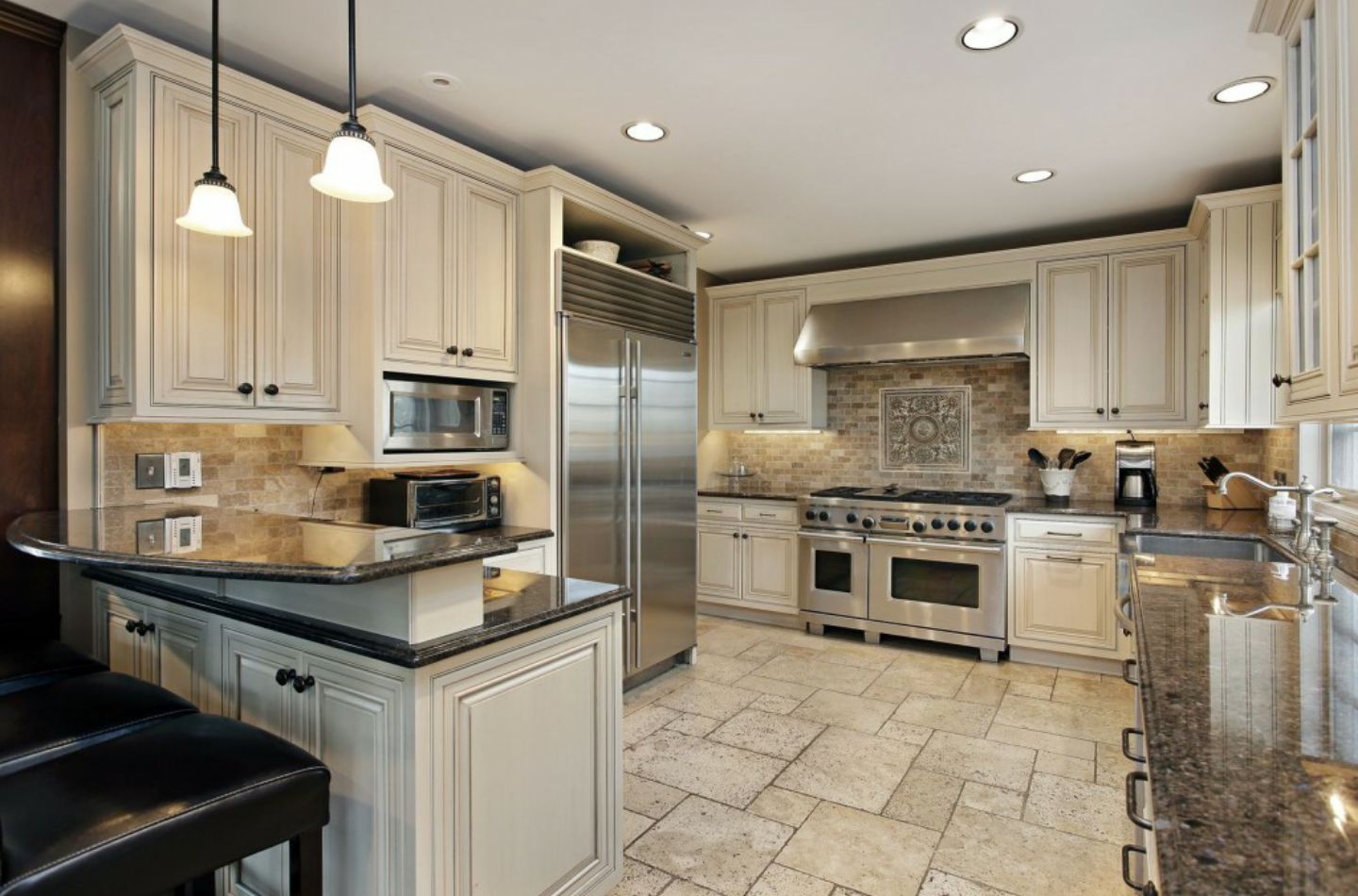

If you’ve started collecting quotes for painting your kitchen cabinets, you’ve probably noticed one confusing thing: the prices are all over the map. Why does one company quote you thousands more than another for the same kitchen? This huge variation isn’t random. It’s a direct result of the crucial cabinet painting cost factors that separate a durable, factory-quality finish from a cheap paint job that will quickly peel and fail. Getting a lowball offer from a general house painter is easy, but understanding what you’re actually paying for is vital.
Cabinet Painting Service Areas in Lafayette CO, Broomfield CO, Boulder CO, & Surrounding Cities
Professional Cabinet Painting Throughout the Boulder Metro Area & Northern Colorado
Cabinet Painting in Adams County & Broomfield, CO
Serving Thornton, CO, Westminster, CO,
Northglenn, CO, Commerce City, CO,
Brighton, CO, and Broomfield, CO.
Cabinet Painting in Boulder County & Northern Colorado
Including Superior, CO, Louisville, CO,
Lafayette, CO, Erie, CO, Firestone, CO,
Frederick, CO, Longmont, CO, Loveland, CO,
and surrounding Northern Colorado communities.
We also service cabinet painting and refinishing projects throughout the entire Northern state of Colorado.
In this guide, we’ll break down exactly what goes into a professional cabinet painting quote. We’ll show you the non-negotiable steps, from meticulous surface preparation to the specific types of professional-grade coatings that last. By the end, you will be able to confidently read any estimate, ask the right questions, and make an intelligent investment that balances cost with the long-term value of a beautiful, resilient finish for your home.
Key Takeaways
-
The number of cabinet doors and drawers is the starting point for every quote, but it’s only part of the story.
-
Find out why proper preparation, based on your cabinet’s material and condition, is the most vital step for a finish that won’t chip or peel.
-
A painter’s process and skill level are the most important cabinet painting cost factors that separate a cheap, temporary fix from a long-term investment.
-
Learn why specialized cabinet coatings are essential and how intricate cabinet designs can impact your project’s total labor time and final price.
Table of Contents
Factor 1: The Size and Scope of Your Kitchen
When determining a budget, the most vital of all cabinet painting cost factors is the physical size of your kitchen. It is the baseline for every single estimate. A larger kitchen with more cabinets doesn’t just mean a bigger job-it means significantly more labor and a greater quantity of the high-caliber of paint and materials required for a durable, factory-like finish. At Cabinet Refinishing Boulder, we measure the scope of every project with precision to give you an accurate, no-nonsense quote.
Understanding how professionals calculate this scope helps you see exactly where your money is going. We break it down into a few key measurements that directly translate to hours of skilled labor and material costs.
Counting Doors and Drawers
The primary metric for any professional cabinet painter is the total number of doors and drawer fronts. This is the most labor-intensive part of the job. Each piece must be removed, transported, degreased, sanded, primed, and receive multiple topcoats. A small kitchen might have 15-20 pieces, but larger kitchens can easily exceed 40 or 50. Every single piece is handled multiple times to ensure a perfect finish, making this count the most critical factor in your estimate.
Linear Feet of Cabinet Boxes
While doors are painted off-site in our controlled spray booth, the cabinet frames (or boxes) are prepped and painted in your home. We measure the linear feet of these boxes to calculate the on-site labor and materials needed. This measurement isn’t just the front-facing frames; it includes any exposed side panels, bottom trim, and crown molding that are part of the cabinetry. Proper on-site prep is essential for a seamless look.
Inside vs. Outside Painting
A significant variable that affects cabinet painting cost factors is whether you want the interiors of your cabinets painted. The industry standard, and most cost-effective option, is to paint the exteriors only-doors, drawers, and face frames. Painting the inside of every cabinet box is a massive undertaking that can nearly double the on-site labor and material costs. If you want a quote that includes painting the interiors, be sure to specify this upfront.
Factor 2: The Current Condition and Material of Your Cabinets
The starting point of your cabinets is one of the most significant cabinet painting cost factors. A factory-finished maple cabinet in good shape requires far less work than a 30-year-old oak cabinet covered in kitchen grease. Proper preparation is the foundation of a lasting, durable finish-it is non-negotiable. This is precisely where amateur house painters cut corners to offer a low price, resulting in a paint job that peels and chips within a year. We don’t do that.
The amount of labor needed to get your cabinets ready for paint directly impacts the cost. Here’s what we look for.
Wood Type and Existing Finish
Different materials demand different prep techniques. A general painter might use one primer for everything, but that leads to failure. We tailor our process to your specific cabinets:
-
Oak Cabinets: The deep, open grain in oak must be filled if you want a smooth, modern finish. This is a multi-step process that adds labor and material costs.
-
Previously Painted Cabinets: If your cabinets have an old, failing paint job, it may need to be completely stripped down to the bare wood before we can start building a new, stable finish.
-
Dark Stained Cabinets: Dark cherry or mahogany stains are notorious for "bleeding" through light-colored paint. They require extra coats of specialized stain-blocking primer to prevent discoloration.
-
Laminate or Thermofoil: These slick, non-porous surfaces require a special bonding primer to create a surface the paint can grip. Standard primers will peel right off.
Level of Wear, Tear, and Grease
A kitchen is a workspace, and years of use take their toll. Before any painting begins, we must address all surface issues. This includes using professional-grade degreasers to remove built-up cooking oils that prevent paint adhesion. Every dent, scratch, and gouge is filled and sanded smooth for a flawless final look. More significant issues like water damage may require wood repairs, which will be factored into the quote.
Previous Poor Paint Jobs
Fixing another painter’s mistakes is often the most time-consuming and costly scenario. A cheap, poorly done paint job with drips, heavy brush marks, and peeling paint must be completely undone. This involves hours of chemical stripping and sanding just to get back to a workable surface. It’s frustrating work that reveals the true cost of hiring the wrong person the first time, but it’s the only way to achieve the factory-like finish you deserve.
Factor 3: The Quality of Labor and Professional Process
Of all the cabinet painting cost factors, the skill of the team and their process is the one that protects your investment the most. This is the single biggest difference between a cheap paint job that peels within a year and a durable, factory-like finish that lasts. You are not just paying for paint; you are paying for expertise, efficiency, and a systematic process that delivers a flawless result. This is specialized work. Hiring a general house painter who is not an expert in cabinet finishing is one of the costliest mistakes a homeowner can make.
On-Site Prep vs. Off-Site Finishing
A true professional uses a hybrid process for quality and convenience. Your cabinet doors and drawer fronts are carefully removed and transported to a dedicated spray shop. This controlled environment is essential for applying a perfectly smooth finish, free from dust, drips, or imperfections. Back in your home, our team meticulously masks and protects your countertops, floors, and appliances before preparing and spraying the cabinet boxes. This method minimizes disruption in your kitchen and ensures a superior result.
Spraying vs. Brushing and Rolling
A sprayed finish is the only way to achieve a professional, factory-quality surface. This technique requires expensive equipment and significant technical skill to apply the coating evenly for a smooth, hard-wearing finish. In contrast, brushing and rolling will always leave behind texture, drips, and stroke marks. These are the tell-tale signs of an amateur job. The higher cost associated with spraying directly reflects the investment in professional equipment and the expertise required to use it correctly.
Thorough Preparation Steps
The final paint job is only as good as the prep work underneath it. This meticulous stage accounts for over 60% of the total labor on any cabinet refinishing project. There are no shortcuts to a lasting finish. Cutting corners here guarantees failure.
-
Degreasing and Cleaning: We thoroughly remove all grease, wax, and grime so the primer can bond correctly.
-
Sanding: Every square inch is scuff-sanded to create a profile for the new coating to adhere to.
-
Caulking and Filling: Imperfections are filled and seams are caulked for a clean, seamless appearance.
-
Priming: We apply a high-adhesion bonding primer that is essential for long-term durability and preventing chipping.
Skipping even one of these vital steps will cause the paint to peel. See our professional process in action.

Factor 4: The Caliber of Paint and Materials Used
When you get a quote for cabinet refinishing, the cost of materials is a small percentage of the total price. However, the type of materials used has the single biggest impact on how your cabinets will look and how long the finish will last. This is one of the most important cabinet painting cost factors to understand. A cheap job almost always means cheap materials, and that leads to a failing finish within a year or two.
A professional cabinet painter does not just use "paint." We use a complete coating system designed for high-traffic, hard-use surfaces. This system includes specialized cleaners, primers, and topcoats that work together to create a durable, factory-like finish that resists chipping, yellowing, and daily wear and tear.
Bonding Primers vs. Standard Primers
The foundation of any cabinet finish is the primer. Your existing cabinets have a slick, non-porous surface that standard wall primer cannot grip. We use specialty bonding primers engineered to adhere to difficult surfaces like varnish or laminate. This step is non-negotiable for long-term durability. Skipping it or using the wrong product guarantees the topcoat will peel away.
Cabinet-Grade Coatings vs. Wall Paint
This is where amateur house painters make their biggest mistake. They use latex wall paint on cabinets, which is a recipe for disaster. Wall paint is designed to be soft and flexible; it never fully cures to a hard shell. On a cabinet, it will remain tacky, chip easily, and become gummy when cleaned.
A true cabinet professional uses industrial-grade coatings, such as 2k polyurethane or waterborne urethane enamels. These products are chemically engineered to cure to an extremely hard, non-porous finish. The benefits are clear:
-
Extreme Durability: Resists scratches, scuffs, and impacts from daily use.
-
Chemical Resistance: Can be cleaned with household cleaners without damaging the finish.
-
A Smooth, Professional Look: These coatings self-level for a smooth, brush-stroke-free appearance.
While these premium materials cost more, they are essential for a finish that lasts a decade or more. The higher material expense is a critical component of the overall cabinet painting cost factors, but it provides immense value by preventing a premature and costly failure.
When evaluating a quote, always ask what specific products will be used. A professional will be proud to tell you. To see the difference a professional system makes, learn more about the proven process we use for a lasting finish.
Factor 5: Design Complexity and Custom Add-Ons
Beyond the size and condition of your kitchen, the specific design of your cabinets and any custom requests are major cabinet painting cost factors. Intricate work requires more labor from skilled professionals, which is reflected in the final price. It is vital to discuss every detail with your contractor to ensure your estimate is accurate and there are no surprises.
A simple job can become complex-and more expensive-when these additional elements are involved. Be clear about your vision from the start.
Intricate Cabinet and Door Styles
A flat-panel or simple Shaker-style cabinet door is straightforward to prep and spray. In contrast, traditional doors with deep grooves, raised panels, or ornate details demand meticulous attention. Every crevice must be perfectly sanded, cleaned, and coated. Add-ons like crown molding, light valances, and decorative trim also increase labor time, as does finishing open shelving or glass-front cabinets that require a perfect finish on all visible sides.
Hardware and Hinge Changes
Want to update your cabinet pulls and hinges? This can impact the scope of work. If you are simply replacing old hardware with new hardware of the same size, the process is simple. However, changing to a different size or style often requires drilling new holes. A major upgrade, like switching from external hinges to modern hidden hinges, is a significant task. This involves filling old screw holes, sanding the patches perfectly smooth, and precisely routing new holes for a flawless installation.
Specialty Finishes like Glazing
A standard, solid-color factory finish is the baseline for professional cabinet painting. If you want a more custom look, specialty finishes like glazing are a premium add-on. Glazing is an artistic, multi-step process where a secondary color is applied over the base coat and then carefully wiped off, leaving accents in the grooves and details. This technique adds depth and an antiqued appearance, but it requires a skilled hand and significantly more time to execute properly.
Understanding these cabinet painting cost factors helps you set a realistic budget. We believe in transparent pricing based on the actual work your project requires. Get a quick, no-nonsense estimate for your project.
Making Sense of Your Cabinet Painting Quote
Understanding your cabinet painting quote comes down to a few key truths. The final price isn’t determined by kitchen size alone. The most critical cabinet painting cost factors are the professional process, the expertise of the crew, and the caliber of the materials used. A cheap job from a general house painter almost always guarantees a cheap finish that peels, chips, and simply won’t last.
Don’t leave your investment to chance. For a clear, no-nonsense quote that prioritizes quality, contact the local experts. With over 38 years of experience serving Boulder, Longmont, Broomfield, and the surrounding communities, Cabinet Refinishing Boulder specializes in the durable, factory-like finishes that stand the test of time. We believe in proper preparation and premium materials-no shortcuts. Get a Straightforward Quote from Boulder’s Cabinet Experts and see what true craftsmanship looks like.
A stunning, professionally finished kitchen is within reach.
Frequently Asked Questions
Is it cheaper to paint or replace kitchen cabinets?
Painting is almost always significantly cheaper than a full cabinet replacement. A professional refinishing job costs a fraction of new custom or even semi-custom cabinets. You get a completely new look without the massive expense and disruption of a total kitchen tear-out. For structurally sound cabinets, refinishing delivers the best value and a factory-finish look for 70-80% less than the cost of replacing them. It is the smart financial choice for a kitchen update.
How much does cabinet painting cost per door or linear foot on average?
On average, you can expect to pay between $100 to $150 per door. Pricing per linear foot is less common for refinishing as it does not accurately reflect the work involved with drawers and cabinet boxes. The final price depends on the size of your kitchen, the condition of the cabinets, and the finish you select. For an accurate quote, text us pictures and a count of your doors and drawers. We provide straightforward, honest pricing.
Why is spraying cabinets more expensive than brushing and rolling?
Spraying costs more due to the extensive preparation and specialized equipment required. The process involves masking off the entire kitchen to protect it from overspray, which is labor-intensive. However, spraying provides a flawless, factory-like finish that you cannot achieve with a brush or roller. Those methods often leave streaks and texture. We specialize in spray finishes because the superior, durable result is what our clients expect from a professional. It is a quality investment.
Can I save money by doing the prep work myself before the professionals arrive?
We strongly advise against doing your own prep work. Preparation is the most critical stage for a durable, long-lasting finish and must be done to our professional standards. Improper sanding or cleaning will cause the paint to fail, leading to chipping and peeling down the road. We cannot warranty a job where the prep work was done by someone else. It is best to let our experienced team handle the entire process from start to finish to guarantee a quality result.
Does the paint color I choose affect the final cost?
Yes, your color choice can be one of the key cabinet painting cost factors. A dramatic color change, like going from a dark wood stain to a pure white, requires more materials and labor. This is because it takes extra coats of primer and paint to achieve full, even coverage without the old color showing through. While the difference is not huge, it does impact the final price due to the additional time and product needed for a perfect finish.
How long should a professional cabinet paint job last?
When done correctly by specialists, a professional cabinet paint job should last for 8-15 years, and often longer with proper care. The key is meticulous prep work and using high-quality, industrial-grade coatings-not standard house paint. Our process ensures a durable, hardened finish that resists chipping and stands up to daily kitchen use. This longevity is why hiring a dedicated cabinet refinisher, not a general house painter, is vital for a successful project.