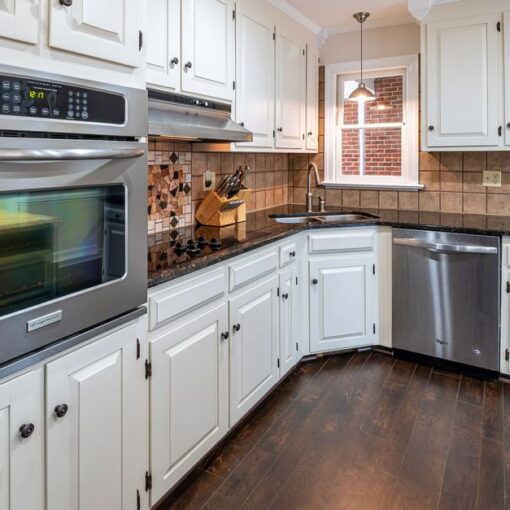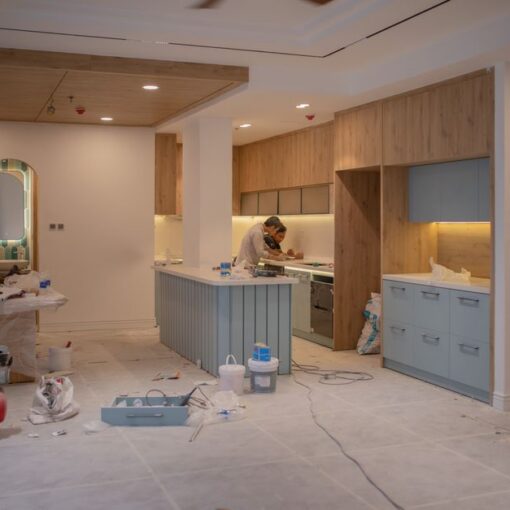
Your kitchen cabinets looked beautiful when you first moved in, but now they feel flat, lifeless, and stuck in another decade. You are not ready for a full gut renovation, and you do not want to spend $20,000 on brand-new custom millwork. Custom cabinet glazing in Boulder, Colorado offers a middle path: a translucent, hand-applied finish that adds depth, dimension, and a high-end custom look to your existing cabinets at a fraction of replacement cost. This guide covers everything Boulder homeowners need to know in 2026, from the step-by-step process and real local pricing to climate-specific durability and the style trends that matter right now. By the end, you will know whether custom cabinet glazing is the right move for your home and exactly how to get a quote from a trusted Northern Colorado professional.
Table of Contents
- What Is Custom Cabinet Glazing? (And Why Boulder Homeowners Are Choosing It in 2026)
- The Boulder Climate Factor: Why Glazing Holds Up Better Than Standard Paint
- The Complete Custom Cabinet Glazing Process (Step-by-Step)
- Custom Cabinet Glazing Cost in Boulder, CO (2026 Pricing Guide)
- Which Cabinet Materials Can Be Glazed? (And Which Cannot)
- Should You Glaze Your Kitchen Cabinets? Pros, Cons, and the 2026 Style Forecast
- DIY vs. Professional Cabinet Glazing: Cost, Quality, and ROI
- Frequently Asked Questions About Custom Cabinet Glazing in Boulder
- Ready for Custom Cabinet Glazing in Boulder? Get Your Free Quote
What Is Custom Cabinet Glazing? (And Why Boulder Homeowners Are Choosing It in 2026)
Cabinet glazing is a decorative finish technique where a translucent, semi-opaque layer of color is applied over a base coat of paint or stain. Unlike solid painting, which delivers a uniform, opaque surface, glazing settles into corners, routed profiles, beadboard grooves, and raised panel recesses. The glaze is hand-wiped from flat surfaces, leaving a subtle shadow effect that highlights architectural detail. The result is not a full color change but a dimensional, layered look that reads as custom millwork.
This is not the heavy, dark-brown antiquing that dominated early-2000s Tuscan kitchens. Modern glazing in 2026 leans toward restraint. Boulder homeowners are requesting custom-toned glazes in warm gray, charcoal, taupe, and soft greige over white, cream, or light gray bases. The look complements the mountain contemporary and modern rustic aesthetics that define Boulder Valley interiors: clean lines with organic texture, polished but never fussy.
The appeal is also financial. Refinishing with a custom glaze costs roughly 70 percent less than replacing cabinets with new custom millwork, a claim backed by local providers who specialize in factory-smooth sprayed finishes. You keep your existing cabinet boxes, which are often solid wood or high-quality MDF, and transform their appearance entirely through surface preparation, base coating, and glaze application. The technique works especially well on cabinets with raised panels, shaker profiles, or beadboard detailing, where the glaze has natural recesses to settle into and create contrast.
The Boulder Climate Factor: Why Glazing Holds Up Better Than Standard Paint
Boulder sits at 5,430 feet above sea level, and that elevation matters for your cabinets. The same intense Colorado sun that drives residents to wear sunscreen daily also beats through kitchen windows, fading standard paint finishes over time. Glazing, particularly when paired with a UV-cured topcoat, adds a protective barrier that resists sun damage better than paint alone.
High-Altitude UV Exposure
At Boulder’s elevation, UV radiation is roughly 25 percent stronger than at sea level. South-facing and west-facing kitchens take the brunt of this exposure. Standard latex or alkyd paints can chalk, fade, or yellow within a few years under direct sunlight. A properly applied glaze layer, sealed with a UV-cured clear topcoat, absorbs and disperses UV energy before it degrades the base color. Local providers like N-Hance use Lightspeed Nano curing technology that instantly hardens the finish, creating a denser, more UV-resistant surface than air-dried alternatives.
Temperature Swings and Wood Movement
Boulder’s diurnal temperature range can exceed 40 degrees Fahrenheit, especially in spring and fall. Cabinet wood expands during warm afternoons and contracts during cold nights. A rigid, brittle paint film resists this movement and eventually develops hairline cracks along joints and panel edges. Glaze, applied as a thin, flexible layer over a well-bonded base coat, moves with the wood. The clear topcoat adds additional elasticity, reducing the risk of peeling or cracking over multiple seasonal cycles.
Dry Air and Wood Stability
Northern Colorado’s semi-arid climate means indoor humidity can drop into the single digits during winter months. Dry air pulls moisture from unfinished or poorly sealed wood, leading to shrinkage, joint gaps, and warping. Professional cabinet glazing seals the entire surface, including end grain and back edges that DIY painters often skip. This locks in the wood’s equilibrium moisture content and stabilizes the cabinet structure. The result is a finish that looks better and lasts longer in Boulder’s specific climate conditions than a standard paint job ever could.
The Complete Custom Cabinet Glazing Process (Step-by-Step)
Understanding what happens during a professional glazing project helps you evaluate providers and set realistic expectations. Here is the full workflow used by top Boulder refinishers.
Step 1: Surface Preparation (The Most Important Step)
The crew removes all cabinet doors, drawer fronts, and hardware. Each piece is labeled for exact reinstallation. Surfaces are sanded to remove the existing finish and create a mechanical bond for the new primer. This is where amateur jobs fail. Some house painters use cheap latex caulking to fill gaps, which shrinks, cracks, and ruins the finish within months. Professional cabinet refinishers use two-part wood fillers and flexible, paint-grade caulks rated for millwork. Preparation typically takes a full day and determines the final result more than any other step.
Step 2: Priming and Base Coating
A high-adhesion bonding primer is sprayed onto every surface. For laminate or thermofoil cabinets, a specialty primer formulated for slick, non-porous substrates is essential. Once the primer cures, two coats of the chosen base color are applied using HVLP (high-volume, low-pressure) spray equipment. This produces a factory-smooth finish free of brush marks or roller stipple. The base color is the foundation that the glaze will complement; popular 2026 choices include warm white, cream, light gray, and soft sage.
Step 3: Applying the Custom Glaze
The glaze is mixed on-site and custom-tinted to match your selected undertone: warm (brown, bronze, gold), neutral (taupe, greige), or cool (charcoal, slate, blue-gray). The technician hand-applies the glaze into recessed areas using a brush or rag, then wipes excess from flat surfaces with a clean cloth. This step is entirely manual and requires an experienced eye. Too little glaze and the effect disappears; too much and the cabinets look dirty or dated. The goal is a consistent, subtle shadow that highlights door profiles without overwhelming the base color.
Step 4: UV Curing and Sealing
Once the glaze reaches the desired depth, a clear topcoat is applied. Providers using UV Lightspeed technology cure the finish instantly under specialized lamps, which eliminates dust contamination, reduces VOC off-gassing, and creates a harder surface than air-dried topcoats. The sheen level (matte, satin, or semi-gloss) is selected based on your kitchen’s lighting and your maintenance preferences. Satin is the most popular choice for Boulder kitchens: it hides minor imperfections while remaining easy to wipe clean.
Step 5: Reassembly and Hardware
Doors and drawer fronts are rehung, hinges are adjusted for perfect alignment, and new hardware is installed if desired. Most Boulder kitchen projects are completed in two to four days, depending on cabinet count and glaze complexity. You can use your kitchen throughout the process, though cabinet contents should be removed before work begins.
Custom Cabinet Glazing Cost in Boulder, CO (2026 Pricing Guide)
Pricing for custom cabinet glazing in Boulder is not publicly listed by most providers, which makes comparison shopping difficult. Based on industry data and local project averages, here is what you can expect to pay in 2026.
Per-Door vs. Whole Kitchen Pricing
Glazing adds labor and material cost beyond standard painting. Expect to pay $75 to $150 per door or drawer front for a full glaze finish, compared to $50 to $100 for solid paint alone. For a typical Boulder kitchen with 10 to 15 doors and drawer fronts, the total project cost for custom glazing ranges from $1,500 to $3,500 on the lower end for smaller kitchens with simple profiles, and $4,000 to $8,000 for larger kitchens with detailed millwork, islands, and specialty cabinets.
What Affects the Price
Several variables shift the final quote. Cabinet material matters: solid wood is the most straightforward to prep, while laminate and thermofoil require additional labor and specialty primers that add cost. Door size also affects pricing. Doors over 34 inches are counted as two doors by some local providers, including cabinetrefinishing.info, because they require more material and handling time. Lazy Susans and corner cabinets count as two doors under the same rule. Custom glaze color matching, where the technician tints the glaze to match a specific paint chip, fabric swatch, or design element, typically adds $100 to $300 to the project total.
Cost Comparison: Glazing vs. Replacement vs. Solid Paint
New custom cabinets in Boulder run $15,000 to $30,000 or more for a full kitchen, depending on size, wood species, and door style. Refinishing with solid paint costs $3,000 to $6,000 and delivers a clean, updated look. Refinishing with custom glaze costs $4,000 to $8,000 and adds the dimensional depth and perceived value that solid paint cannot match. For resale, glazed cabinets signal custom craftsmanship to potential buyers. The return on investment is strong: you capture 70 to 80 percent of the visual impact of new custom millwork at roughly 30 percent of the cost.
For an instant price quote specific to your cabinets, text photos to cabinetrefinishing.info. Include a shot of the full kitchen, a close-up of a door profile, and any areas with damage or wear.
Which Cabinet Materials Can Be Glazed? (And Which Cannot)
Not every cabinet surface accepts glaze equally. A professional inspection determines suitability, but here is what you need to know before scheduling an estimate.
Best Materials for Glazing
Solid wood species common in Boulder homes (oak, maple, cherry, and alder) are ideal candidates. Glaze settles naturally into wood grain and routed details, creating the most dramatic dimensional effect. MDF (medium-density fiberboard) doors with routed shaker or raised-panel profiles also accept glaze well when properly primed with a high-solids bonding primer. The smooth MDF surface allows the glaze to sit exclusively in the routed recesses, producing clean, crisp contrast.
Challenging Materials (Requires Expert Prep)
Laminate cabinets present adhesion challenges. The slick, non-porous surface must be scuffed thoroughly and primed with a specialty bonding agent. Even with proper prep, long-term glaze adhesion on laminate is less predictable than on wood. Thermofoil cabinets, which are MDF wrapped in a heat-applied vinyl layer, are risky to glaze. The foil can delaminate under the heat of UV curing lamps or from the solvents in glaze products. Most professionals recommend removing thermofoil before refinishing, which adds significant labor cost. Previously painted cabinets can be reglazed if the existing paint is well-bonded, clean, and properly sanded to create adhesion.
Materials That Cannot Be Glazed
Unfinished particleboard absorbs glaze unevenly, creating a blotchy, unprofessional appearance. Metal cabinet frames and glass door fronts provide no surface for glaze to bond. If your kitchen includes these materials, a provider may recommend solid paint for those elements and reserve glazing for wood or MDF doors.
Most Boulder cabinets, particularly those built before 2000, are solid wood or high-quality MDF and make excellent glazing candidates.
Should You Glaze Your Kitchen Cabinets? Pros, Cons, and the 2026 Style Forecast
The People Also Ask section of Google reveals that Boulder homeowners are asking whether glazed cabinets are still in style. The answer is nuanced.
The Pros
Custom glazing adds depth, dimension, and visual interest to flat or simple cabinet fronts. It highlights architectural details like raised panels, beadboard, crown molding, and corbels that would otherwise blend into a monochrome paint job. The technique creates a high-end, custom look for roughly 70 percent less than new cabinets. Glaze can be toned warm, neutral, or cool to match any design direction, from farmhouse to transitional to mountain modern. It also hides fingerprints and minor wear better than solid white or dark paint, a practical advantage in busy Boulder kitchens.
The Cons (What No One Else Tells You)
Glazed surfaces can be harder to clean than smooth paint. The glaze settles into crevices where cooking grease and dust accumulate, requiring more detailed wiping. A heavy or poorly executed glaze application can look dated, particularly if the color is a dark, muddy brown. Touch-ups are difficult: matching the exact glaze color and application density requires a skilled hand, and a touched-up spot may read as a visible patch. Glazing is not the best choice for ultra-modern, minimalist kitchens where flat, uniform surfaces are the design intent. In those spaces, a solid matte color serves the aesthetic better.
2026 Style Forecast for Glazed Cabinets
The heavy brown and black glazes over golden oak that defined the Tuscan kitchen era are firmly out. In 2026, Boulder designers are specifying subtle, cool-toned glazes: charcoal over white, warm gray over cream, and taupe over light gray. The trend is toward lighter overall contrast and a softer, more organic feel. Another rising approach is accent glazing, where only the island, a hutch, or a butler’s pantry receives the glaze treatment while the perimeter cabinets stay solid. This creates a focal point without committing the entire kitchen to a dimensional finish.
Bottom line: glazing is still very much in style, but the execution determines whether your kitchen reads as current or dated. A light, modern glaze in a neutral tone is timeless. A heavy, dark glaze applied indiscriminately may feel tired in three to five years.
DIY vs. Professional Cabinet Glazing: Cost, Quality, and ROI
The DIY route is tempting when you see the professional price tag, but glazing is not a beginner-level project.
The DIY Cost Breakdown
Supplies for a DIY glaze job (glaze product, brushes, lint-free rags, bonding primer, clear topcoat, sandpaper, and painter’s tape) run $150 to $400 depending on kitchen size and product quality. The time commitment is substantial: three to five weekends including prep, priming, base coating, glazing, topcoating, and curing. Without UV curing equipment, each coat must air-dry for hours or overnight. The risks include uneven glaze application, visible brush marks, poor adhesion leading to peeling, and a final result that looks obviously amateur.
The Professional Cost Breakdown
A professional Boulder glazing project costs $4,000 to $8,000 for a full kitchen, as detailed above. The work is completed in two to four days using commercial spray equipment and UV curing technology. The result is a factory-smooth, durable finish backed by a workmanship warranty. Providers use low-VOC, low-odor products, so you can remain in your home throughout the project.
ROI Analysis
DIY glazing saves money upfront but can reduce your home’s perceived value if the finish is inconsistent or begins to fail within a year. Professional glazing adds 70 to 80 percent of the visual value of new custom cabinets at roughly 30 percent of the replacement cost. For a Boulder home valued at $800,000 or more, a poorly executed DIY kitchen update can be a liability during resale. If you have fewer than 10 slab-style doors and some finishing experience, DIY may be viable. For detailed profiles, a full kitchen, or any home where resale value matters, hire a professional.
Frequently Asked Questions About Custom Cabinet Glazing in Boulder
Can you add glass to existing cabinet doors during glazing?
Yes. Many refinishing providers offer glass insert installation as an add-on service. The process involves cutting out the center panel of a solid door, routing a groove for the glass, and installing mullions if desired. Cost ranges from $50 to $150 per door depending on glass type (clear, frosted, seeded) and mullion complexity. This is an excellent way to break up a wall of solid cabinets and create display space.
How long does glazing last?
With a UV-cured topcoat, professionally applied cabinet glazing lasts 10 to 15 years under normal use. Without UV curing, expect 5 to 8 years before the finish shows noticeable wear, especially in high-touch areas around knobs and pulls. Cleaning with non-abrasive products and avoiding ammonia-based cleaners extends the life of the finish.
Do I need to leave my home during the process?
No. Local providers like N-Hance use low-odor, low-VOC products specifically formulated for occupied homes. The UV curing process eliminates the prolonged off-gassing associated with traditional solvent-based finishes. You can stay in your home and use non-work areas normally. The kitchen itself will be out of commission for two to four days.
Can I update hardware and drawer slides at the same time?
Yes, and this is highly recommended. While doors and drawers are removed for refinishing, upgrading to soft-close hinges and full-extension drawer slides adds minimal labor cost and dramatically improves daily kitchen function. New knobs and pulls complete the transformation. Most providers stock or can source hardware in popular 2026 finishes: matte black, brushed nickel, unlacquered brass, and champagne bronze.
Is glazing the same as antiquing?
No. Antiquing is a heavier, darker application meant to simulate decades of age and wear. It often involves distressing, wormholes, and dark pigment concentrated in corners. Glazing is a lighter, more controlled technique focused on adding depth and highlighting profiles without making cabinets look old. Think of glazing as dimension and antiquing as deliberate aging.
Ready for Custom Cabinet Glazing in Boulder? Get Your Free Quote
Custom cabinet glazing transforms tired, flat cabinets into dimensional, high-end millwork at a fraction of replacement cost. In Boulder’s high-altitude climate, a professionally applied glaze with UV-cured topcoat delivers durability that standard paint cannot match. The 2026 style direction favors subtle, neutral-toned glazes that add warmth and depth without overwhelming the space.
For an instant price quote, text clear photos of your cabinets to cabinetrefinishing.info. Include a full kitchen view, a close-up of a door profile, and any areas of concern. The team serves all of Northern Colorado: Boulder, Louisville, Lafayette, Longmont, Superior, Broomfield, Niwot, Erie, Westminster, Arvada, and Dacono. Every project uses factory-smooth sprayed finishes and UV-cured durability, backed by experience you can trust.